More generators, writing tools and storytelling resources.
What makes a pharaoh's curse feel convincing?
A tomb curse works best when it feels like part of the burial system rather than a random threat added for atmosphere. Royal tombs were built around remembrance, protection, ritual continuity, and the safe passage of the dead. In fiction, a curse can turn those concerns into consequences. A broken seal may awaken a watchful spirit. A stolen amulet may bind itself to the thief. A damaged name may erase the intruder from family records. The most memorable curse names connect an action inside the tomb with a result that follows the offender beyond it.
Symbols, gods, and funerary logic
Egyptian-inspired stories have a rich visual language: cartouches, scarabs, canopic vessels, linen wrappings, solar boats, jackal guardians, cobras, false doors, star ceilings, river silt, and the western horizon. Use these elements with purpose. Anubis suggests embalming, thresholds, and judgment. Osiris suggests restoration, rightful order, and the realm of the dead. Sekhmet suggests heat, plague, and fierce correction. The Nile can reclaim stolen offerings through flood or silt, while the desert can punish through thirst, lost roads, and sand that enters impossible places. A specific symbol gives the curse a clearer identity.
Name the offense as well as the punishment
Consider what the intruder actually did. Opening a sarcophagus, breaking a canopic jar, scraping away a royal name, pocketing a ring, or mapping a hidden chamber should not all trigger the same kind of doom. Let the object shape the response. A scarab curse might weigh guilt or count footsteps. A royal seal might mark the trespasser. A false door might rearrange corridors until the thief returns the stolen item. The closer the punishment mirrors the violation, the more deliberate and unsettling the curse feels.
Choose how quickly the curse acts
Some curses strike immediately with heat, venom, collapsing passages, or a guardian that wakes. Others travel home with the expedition and reveal themselves through dreams, missing names, recurring sand, altered photographs, or heirs who carry a royal mark. Decide whether the curse is a trap, a pursuing presence, a family burden, or a slow change in reality. The title can signal that rhythm. Short, physical names feel urgent, while names involving memory, bloodlines, stars, or returning footsteps suggest a longer story.
Using generated names in stories and games
Treat each result as a compact premise. Ask who created the curse, what condition activates it, what evidence appears first, and whether it can be reversed. A game master might use the name as the title of a dungeon hazard, a campaign chapter, or a relic's hidden property. A novelist can use it as an archaeologist's nickname for a pattern of deaths. A puzzle designer can place fragments of the curse name across seals and wall inscriptions. You may also combine two results, using one for the tomb's public warning and another for the private consequence.
Practical ways to sharpen a curse name
- Tie the wording to one object the characters can see, touch, steal, or damage.
- Choose a consequence that reflects the offense instead of relying on generic bad luck.
- Use a deity only when that deity's role supports the curse's behavior.
- Decide whether the title is known to priests, coined by explorers, or revealed by the curse itself.
- Keep enough mystery that the name invites questions rather than resolving the whole plot.
- Test the title aloud and remove extra words that weaken its rhythm or image.
Questions for developing the curse
Once you have a name, use it to uncover the rules behind the haunting. These questions can turn a striking title into a scene, mystery, or full adventure:
- Which act of desecration awakens the curse, and can it happen by accident?
- What is the first sign that the tomb has noticed the intruders?
- Does returning the object end the curse, or has a second debt already formed?
- Who understands the warning but has a reason to hide its meaning?
- How does the curse distinguish the guilty person from companions or descendants?
- What choice would satisfy the dead ruler without making the solution feel easy?
How does the Pharaoh's Curse Generator work?
Each click selects a randomized curse name from material written around royal tombs, funerary symbols, divine judgment, stolen relics, and supernatural consequences. Roll again whenever you need a different tone, object, deity, or kind of punishment.
Can I steer the Pharaoh's Curse Generator toward a specific name angle?
Re-roll until you find an angle close to your scene, then combine or edit results. You might keep the object from one name, the consequence from another, and adapt both to your pharaoh, expedition, or campaign.
Are the names original and safe to use?
The names were written for this generator. You can use and adapt them in personal projects and in most commercial creative work, although you should still check any wider project for trademarks, licensed settings, or other restrictions.
How many names can I generate?
You can keep re-rolling whenever you need another option. Use repeated rolls to compare tones, collect a shortlist, or find separate names for a tomb's warning, activation, symptoms, and final consequence.
How do I save the names I like?
Click a result to copy it, or use the heart or save icon to keep a favorite. You can then paste the name into your notes, outline, campaign file, or worldbuilding document.
What are good Pharaoh's Curse Names?
There's thousands of random Pharaoh's Curse Names in this generator. Here are some samples to start:
- Seal of the Silent Cartouche
- Breath From the Painted Coffin
- The Jackal Jar's Hunger
- The Scarab Counts Your Steps
- Sand in the Thief's Lungs
- The Nile Rises Indoors
- The Sun Disk Brands the Thief
- Moonlight Beneath the Tomb Door
- Anubis Weighs the Footsteps
- Osiris Denies the Green Field
About the creator
All idea generators and writing tools on The Story Shack are carefully crafted by storyteller and developer Martin Hooijmans. During the day I work on tech solutions. In my free hours I love diving into stories, be it reading, writing, gaming, roleplaying, you name it, I probably enjoy it. The Story Shack is my way of giving back to the global storytelling community. It's a huge creative outlet where I love bringing my ideas to life. Thanks for coming by, and if you enjoyed this tool, make sure you check out a few more!

 Saved ideas
  African Mythology
 Animal Crossing
 Arabian Mythology
 Arcane
 Avowed
 Aztec Mythology
 Baldur's Gate 3
 Black Myth: Wukong
 Blades in the Dark
 Bloodborne
 Brindlewood Bay
 Call of Cthulhu
 Cartography
 Celtic Mythology
 Changeling
 Chinese Mythology
 Chronicles of Narnia
 Civilization
 Clash of Clans
 Conlangs
 Cosmere
 Cosmic Horror
 Cozy Fantasy
 Cradle
 Creatures
 Crescent City
 Cryptids
 Cult of the Lamb
 Cultivation
 Daggerheart
 Dark Souls
 Demon: The Fallen
 Diablo
 Discworld
 Disney
 Dota 2
 Dragon Age
 Dragons
 Dungeons & Dragons
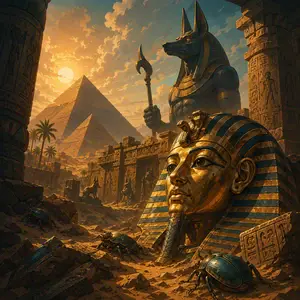 Egyptian Mythology
 Elden Ring
 Elder Scrolls
 Eternal Strands
 Fae
Fae Final Fantasy
 Game of Thrones
 Genshin Impact
 God of War
 Gothic Horror
 Greek Mythology
 Guild Wars
 Hades II
 Hades
Hades Harry Potter
 Hindu Mythology
 His Dark Materials
 Hollow Knight
 Horror
 Indonesian myth
 Inheritance Cycle
 Japanese myth
 Korean Mythology
 League of Legends
 Legend of Zelda
 Legends of Runeterra
 LitRPG
 Lord of the Rings
 Lost Ark
 Magic: The Gathering
 Mayan Mythology
 Mesopotamian myth
 Minecraft
 Mistborn
 Monster Hunter
 Mythology
 Norse Mythology
 Path of Exile
 Pathfinder
 Percy Jackson
 Persian Mythology
 Pirate Borg
 Religion
 Rift
Rift RuneScape
 Sea of Thieves
 Sekiro
 Shadowdark
 Slavic Mythology
 Stardew Valley
 Steampunk
 Stonetop
 Stormlight Archive
 Tainted Grail
 The Dark Crystal
 The Dark Eye
 The Wheel of Time
 The Wildsea
 The Witcher
 Vampire: Masquerade
 Wakfu/Dofus
 Warhammer
 Werewolf Apocalypse
 Wings of Fire
 World of Darkness
 World of Warcraft
 Wuchang
 Wuxia
Wuxia Xianxia