Wuchang name generators for dark fantasy characters, factions, places, and curses
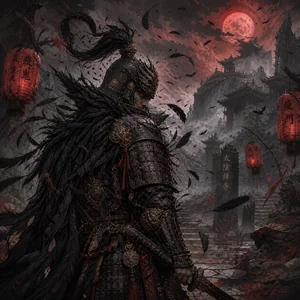
Wuchang: Fallen Feathers offers a very specific kind of fantasy mood: historical China seen through plague, war, memory loss, martial danger, supernatural corruption, and the visual language of a soulslike action RPG. Set in the land of Shu during the late Ming Dynasty, the game follows Wuchang, a pirate warrior afflicted by the Feathering disease, as she moves through a world of warring factions, monstrous creatures, ruined temples, overgrown paths, hidden truths, and choices that shape the ending. A Wuchang name generator category should therefore feel darker, stranger, and more grounded than a generic fantasy name page. It should suggest a world where names carry history, rumor, fear, devotion, guilt, rank, and omen.
Names inspired by Shu, the late Ming, and dark folklore
The best Wuchang-inspired names sit between history and nightmare. They can hint at official ranks, village lineages, wandering swordsmen, temple guardians, outlaw captains, corrupted healers, plague-struck families, wandering monks, secret societies, and warriors whose reputations have outlived the people they once were. Because the setting draws from the late Ming era and the land of Shu rather than a broad European fantasy tradition, the naming style should avoid castles-and-knights clichés. Instead, it can lean into mountain passes, river towns, ancestral halls, imperial collapse, medicinal lore, spirit omens, opera-like titles, battlefield nicknames, and the sense that ordinary names have been twisted by extraordinary suffering.
Character names for warriors, pirates, monks, and survivors
Players and writers may search for Wuchang character names, Wuchang: Fallen Feathers name generator, Chinese dark fantasy names, soulslike boss names, Ming dynasty fantasy names, female warrior names, pirate warrior names, or names for cursed NPCs. Those searches point to different needs. A pirate name should feel mobile, dangerous, and partly self-invented. A monk or healer name may sound restrained but carry spiritual tension. A faction leader might have a formal name, a public title, and a feared battlefield epithet. A survivor in a plague-torn village could have a humble name that becomes tragic when placed beside a cursed location. Good names for this world should leave room for the unknown: who was this person before the Feathering, who do they serve now, and what memory has been buried?
Boss names, weapon titles, and cursed places
Wuchang-style naming is especially useful for bosses and locations. Soulslike stories often make names feel like fragments of lore: a guardian reduced to a title, a temple named after a sin, a ravine remembered for a massacre, a weapon associated with a vanished oath. A boss name might combine role and corruption, such as a magistrate transformed by disease, a general bound to a shrine, or a singer whose voice is now a curse. Weapon names can point toward techniques, materials, lost masters, red mercury, blades carried by pirates, or artifacts recovered from fallen enemies. Place names can evoke fogged mountain roads, abandoned clinics, drowned villages, burning archives, sealed courtyards, and forgotten ritual grounds. These names do not need to explain everything. They should make the reader want to know what happened there.
Factions and story hooks in a fractured world
The game’s premise is full of factional pressure: war, instability, illness, rumor, and survival. That makes it ideal for names of rebel groups, imperial remnants, cults, mercenary bands, apothecary circles, temple orders, smuggler crews, and families trying to protect what remains of their influence. A strong faction name can suggest ideology without exposition. It may sound pious but cruel, scholarly but desperate, loyal but doomed, or criminal but strangely honorable. Storytellers can use these generators to create quest hooks: a village refuses to speak the name of its former guardian; a bandit captain carries a blade with an impossible inscription; a healer’s order hides the origin of a cure; a noble house rewrites records to conceal who first brought the Feathering into its halls.
Using Wuchang names without losing the atmosphere
When using these generators, choose restraint over clutter. A Wuchang-inspired name does not need too many ornamental words. It works best when one strong image carries the weight: ash, feather, river, oath, shrine, blade, fever, moon, bone, bell, root, or gate. Pair that image with role, place, title, or memory. For characters, decide whether the name is a birth name, a chosen name, a title given by enemies, or a name remembered only in rumor. For locations, ask what wound the place holds. For bosses, ask what human identity remains beneath the horror. The result should feel like a clue from a world where history has not vanished, but has been infected, buried, and sharpened into myth.



 African Mythology
 Animal Crossing
 Arabian Mythology
 Arcane
 Avowed
 Aztec Mythology
 Baldur's Gate 3
 Black Myth: Wukong
 Blades in the Dark
 Bloodborne
 Brindlewood Bay
 Call of Cthulhu
 Cartography
 Celtic Mythology
 Changeling
 Chinese Mythology
 Chronicles of Narnia
 Civilization
 Clash of Clans
 Conlangs
 Cosmere
 Cosmic Horror
 Cozy Fantasy
 Cradle
 Creatures
 Crescent City
 Cryptids
 Cult of the Lamb
 Cultivation
 Daggerheart
 Dark Souls
 Demon: The Fallen
 Diablo
 Discworld
 Disney
 Dota 2
 Dragon Age
 Dragons
 Dungeons & Dragons
 Egyptian Mythology
 Elden Ring
 Elder Scrolls
 Eternal Strands
 Fae
Fae Final Fantasy
 Game of Thrones
 Genshin Impact
 God of War
 Gothic Horror
 Greek Mythology
 Guild Wars
 Hades II
 Hades
Hades Harry Potter
 Hindu Mythology
 His Dark Materials
 Hollow Knight
 Horror
 Indonesian myth
 Inheritance Cycle
 Japanese myth
 Korean Mythology
 League of Legends
 Legend of Zelda
 Legends of Runeterra
 LitRPG
 Lord of the Rings
 Lost Ark
 Magic: The Gathering
 Mayan Mythology
 Mesopotamian myth
 Minecraft
 Mistborn
 Monster Hunter
 Mythology
 Norse Mythology
 Path of Exile
 Pathfinder
 Percy Jackson
 Persian Mythology
 Pirate Borg
 Religion
 Rift
Rift RuneScape
 Sea of Thieves
 Sekiro
 Shadowdark
 Slavic Mythology
 Stardew Valley
 Steampunk
 Stonetop
 Stormlight Archive
 Tainted Grail
 The Dark Crystal
 The Dark Eye
 The Wheel of Time
 The Wildsea
 The Witcher
 Vampire: Masquerade
 Wakfu/Dofus
 Warhammer
 Werewolf Apocalypse
 Wings of Fire
 World of Darkness
 World of Warcraft
 Wuchang
 Wuxia
Wuxia Xianxia