More generators, writing tools and storytelling resources.
Origins and Lore
The figure of the Slavic witch stands at the crossroads of village wisdom and wild forest magic. She is neither purely evil nor entirely benevolent. She is a force of nature given human form, testing those who seek her counsel. The most famous, Baba-Yaga, lives in a hut that stands on chicken legs and guards the boundary between the mortal world and the realm of spirits.
Names drawn from this tradition carry their own history. They speak of bone huts and mortar paths, of iron teeth and forest riddles. When you use one of these names, you invoke a figure who has witnessed centuries of heroes and fools pass through her domain.
How to Use This Generator
Each click produces a complete witch name drawn from Slavic linguistic patterns. The names follow the conventions of East Slavic patronymics and descriptive bynames. First elements often reference nature, tools of the trade, or aspects of the witch domain.
For fiction, consider which name fits your character role. Is she a helper at the crossroads or a test for the hero? Does she dwell by water, in the forest, or at the village edge? The name hints at her nature.
Naming Patterns
Authentic Slavic witch names combine a personal root with descriptive elements. Yagovna means daughter of Yaga. Zhelezny-Zub means iron tooth. Pechevnitsa means oven woman. These compounds tell stories. A name like Mortyava Stiltleg immediately evokes the iconic image of Baba-Yaga hut on stilts.
Identity and Cultural Weight
These names carry cultural meaning beyond simple novelty. They reference a tradition of strong female figures in Slavic folklore. Wise women, hedge-witches, and forest guardians held knowledge that structured society needed. Using one of these names connects your work to that deep well of storytelling.
The generator deliberately avoids simple prefix-suffix combinations. Each name tries to feel like something a storyteller might have used to describe these mysterious figures.
Tips for Writers
- Consider what the descriptive element reveals about your character. A Snow-Witch suggests different traits than a Bone-Hut keeper
- The patronymic form places your character in a lineage. She is someone's daughter, connected to a tradition
- Use the setting clues in names to inform your descriptions of where this character dwells
- Mix formal and informal versions. A character might be known as Yagovna in formal contexts and as Mortyava among friends
Inspiration Prompts
- A hero arrives at a hut on chicken legs and must answer three riddles before entry is granted
- A village sends an envoy to bargain with the witch who lives at the forest edge
- The old healer claims descent from Baba-Yaga herself, and the village must decide whether to believe her
- A young girl stumbles upon a clearing where a witch tends her mushroom garden and offers guidance
- The baker leaves black bread at the crossroads each night, and something always takes it before dawn
What makes a Slavic witch name authentic?
Authentic Slavic witch names combine descriptive elements with roots that reference the witch domain, tools, or traits. Names like Yagovna Mortarovna reference the mortar and pestle associated with Baba-Yaga, while Zhelezny-Zub Iron-Tooth describes her iron teeth. The best names feel like something a storyteller might have used to identify a specific figure.
How do I choose the right witch name for my character?
Consider which aspects of the Slavic witch tradition matter most for your character. A helper figure works well with names like Pomoshchnitsa or Helpful-One. A test-giving antagonist suits names with trial, challenge, or riddle elements. Forest-dwelling witches often have names referencing nature, paths, or woodland settings.
Can these names be used for fantasy games and stories?
Yes, these names work well for fantasy fiction, tabletop games, and video game characters. They provide authentic cultural flavor without relying on common fantasy cliches. Each name carries enough narrative weight to suggest a character history and role.
What is the cultural significance of Baba-Yaga?
Baba-Yaga represents the ambiguous figure in Slavic folklore. She can help or hinder heroes, depending on whether they prove worthy. Her hut on chicken legs stands at the boundary between worlds. She tests travelers with riddles and tasks. This generator draws on that rich tradition to produce names that feel connected to genuine folk sources.
How many names should I consider for a single character?
Most characters work well with one to three names. A given name, perhaps a descriptive byname, and potentially a patronymic or lineage reference. Do not overload a character with multiple compound names. Pick the one that best captures the aspect of the witch tradition most relevant to your story.
What are good Slavic Witch Name?
There's thousands of random Slavic Witch Name in this generator. Here are some samples to start:
- Yagovna Mortarovna
- Zmeyarka Bone-Hut
- Kostyanitsa Rooted-Crone
- Darkwood Yaga Forest-Witch
- Zhelezny-Zub Iron-Tooth
- Pepla Ember-Crone
- Snezhnitsa Snow-Witch
- Trizadnitza Trial-Taker
- Krajevnitza Edge-Woman
- Skaznitza Tale-Keeper
About the creator
All idea generators and writing tools on The Story Shack are carefully crafted by storyteller and developer Martin Hooijmans. During the day I work on tech solutions. In my free hours I love diving into stories, be it reading, writing, gaming, roleplaying, you name it, I probably enjoy it. The Story Shack is my way of giving back to the global storytelling community. It's a huge creative outlet where I love bringing my ideas to life. Thanks for coming by, and if you enjoyed this tool, make sure you check out a few more!
 Saved ideas
  African Mythology
 Animal Crossing
 Arabian Mythology
 Arcane
 Avowed
 Aztec Mythology
 Baldur's Gate 3
 Black Myth: Wukong
 Blades in the Dark
 Bloodborne
 Brindlewood Bay
 Call of Cthulhu
 Cartography
 Celtic Mythology
 Changeling
 Chinese Mythology
 Chronicles of Narnia
 Civilization
 Clash of Clans
 Conlangs
 Cosmere
 Cosmic Horror
 Cozy Fantasy
 Cradle
 Creatures
 Crescent City
 Cryptids
 Cult of the Lamb
 Cultivation
 Daggerheart
 Dark Souls
 Demon: The Fallen
 Diablo
 Discworld
 Disney
 Dota 2
 Dragon Age
 Dragons
 Dungeons & Dragons
 Egyptian Mythology
 Elden Ring
 Elder Scrolls
 Eternal Strands
 Fae
Fae Final Fantasy
 Game of Thrones
 Genshin Impact
 God of War
 Gothic Horror
 Greek Mythology
 Guild Wars
 Hades II
 Hades
Hades Harry Potter
 Hindu Mythology
 His Dark Materials
 Hollow Knight
 Horror
 Indonesian myth
 Inheritance Cycle
 Japanese myth
 Korean Mythology
 League of Legends
 Legend of Zelda
 Legends of Runeterra
 LitRPG
 Lord of the Rings
 Lost Ark
 Magic: The Gathering
 Mayan Mythology
 Mesopotamian myth
 Minecraft
 Mistborn
 Monster Hunter
 Mythology
 Norse Mythology
 Path of Exile
 Pathfinder
 Percy Jackson
 Persian Mythology
 Pirate Borg
 Religion
 Rift
Rift RuneScape
 Sea of Thieves
 Sekiro
 Shadowdark
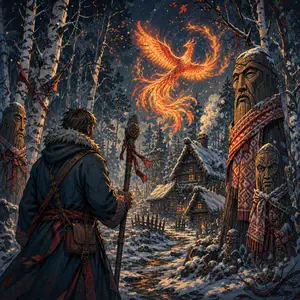 Slavic Mythology
 Stardew Valley
 Steampunk
 Stonetop
 Stormlight Archive
 Tainted Grail
 The Dark Crystal
 The Dark Eye
 The Wheel of Time
 The Wildsea
 The Witcher
 Vampire: Masquerade
 Wakfu/Dofus
 Warhammer
 Werewolf Apocalypse
 Wings of Fire
 World of Darkness
 World of Warcraft
 Wuchang
 Wuxia
Wuxia Xianxia