
 Saved ideas
 Explore Story Shack
More generators, writing tools and storytelling resources.
Explore more from Writing Prompts
- Pictionary words
- Objects
- Writing prompts
- Topics
- Fanfic AU prompts
- Dream prompts
- Monologue ideas
- Legends
- Bubble App Ideas
- Body Horror Affliction
- Bachelor Mansion Contestant
- Body Horror Mutation Stories
- Aromantic Story
- Eulogy Openers
- Moral dilemma prompts
- Auction Lot Description Briefs
- Cowboy Trail Song Ideas
- Riddle prompts
- Black Mirror Episode Name Generator
- Excuse To Skip Meeting
- Ancestor Altar Themes
- Chase Scene Prompts
- AI image aesthetic ideas
- Airport Scene Prompt
- Heraldry
- Chapter Title Prompts
- Bedtime Story Hooks
- Antagonist Motive Prompts
- Fantasy Quest Hook Names
- Battle Scene Brief
- Aro Ace Friendship Arc Names
- Disaster Movie Setup Name
- Battle names
- Shipping prompts
- Antihero ideas
- Imaginary Friend
- Breakup Prompts
- Auto Reply Snark Briefs
- Family Motto
Discover even more random name generators
Explore all Writing
Skip list of categories








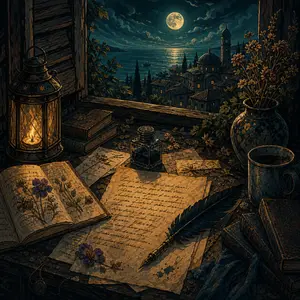






What fluff means in fanfiction and cozy fiction
In fandom and romance circles, fluff does not mean empty writing. It means writing that puts emotional comfort, tenderness, and relational warmth at the center of the scene. A fluff prompt usually starts with a small anchor: making tea, sharing a couch, folding laundry, closing a shop together, getting snowed in, patching a button, feeding a pet, or waiting out rain under one roof. The external stakes stay low on purpose. Nobody needs to stop an apocalypse. What matters is whether one character notices the other is tired, whether two people can settle into the same kitchen without flinching, or whether a found family can act like a household instead of a temporary arrangement. That smallness is the point. Fluff lets a reader feel safety, routine, and affection made visible through ordinary action. It also gives writers a way to prove chemistry and care without relying only on declarations.
How to use a fluff prompt without making it shapeless
Start with the relationship temperature
Before you draft, decide what kind of bond the scene is carrying. Fluff works differently for new crushes, established couples, exes circling back, siblings repairing trust, teammates softening after a hard event, or found family members learning how to share space. The same prompt about soup on a rainy night plays as nervous yearning in one pairing and as post-conflict healing in another. Thinking in terms of relationship temperature helps you shape the scene's emotional pace.
Choose one domestic anchor
The strongest fluff scenes usually revolve around a concrete task or setting. Give the characters something to do with their hands. They can untangle holiday lights, chop vegetables, inventory a bookstore, fold blankets, wash ink off each other's fingers, organize medicine, or wait for laundry to finish. Those actions keep the scene from floating into vague sweetness. They also let you reveal habits, divisions of labor, cultural rituals, and the private choreography of care.
Let small actions carry the confession
Fluff becomes memorable when the emotional beat arrives through behavior instead of a speech. A character sets out the right mug before being asked. Someone remembers the extra blanket, the preferred seat by the window, or the snack that calms a panic spiral. A parent stops hovering and simply sits nearby. A rival wordlessly fixes a loose scarf. These gestures create the feeling readers often want from fluff: proof that the relationship has texture, memory, and safety. The dialogue can stay light if the action is doing real emotional work.
Why fluff scenes matter for identity and care
Low-stakes scenes often reveal more about character identity than spectacle does. Anyone can look loyal during a battle or a confession under extreme pressure. Fluff asks who brings the tea, who notices the missed meal, who makes room on the couch, who washes the extra bowl without being thanked, and who keeps pretending they do not care while building a whole routine around somebody else's comfort. That is why fluff is so useful in fanfiction and original fiction alike. It turns affection into pattern. It lets care be domestic, queer, familial, awkward, shy, playful, magical, or stubborn. It also gives heavier stories recovery time. After angst, hurt/comfort, political conflict, or grief, a fluff scene can act as emotional proof that the characters still have a life worth protecting.
Tips for writers
- Pick a tangible scene engine such as cooking, mending, commuting, holiday cleanup, pet care, or shop closing so the warmth has structure.
- Use sensory detail sparingly but specifically: damp sleeves, kettle whistles, flour on cuffs, radiator-warmed socks, cardamom buns, soft lamp light.
- Let the power of the scene come from remembered preferences and repeated habits rather than from oversized speeches.
- Keep the stakes low, but not zero. A fluff scene still needs emotional uncertainty, even if the uncertainty is only whether someone will stay.
- Mix tones inside the softness. Teasing, embarrassment, domestic competence, minor chaos, and relief all make fluff feel more lived in.
Inspiration prompts
Use the prompt as a domestic doorway, then decide what kind of care or closeness the characters still struggle to name.
- What routine in this scene proves the relationship already has history?
- Which object carries more feeling than either character is ready to discuss aloud?
- How can one small act of caretaking shift the whole emotional temperature of the room?
- What heavier event happened before this scene, and how does the fluff moment quietly answer it?
- If the scene ended with one changed habit, what would that habit say about their bond?
Frequently Asked Questions
Explore the most common questions about the Fluff Prompt Generator and how it can help you write warmer, softer character scenes.
How does the Fluff Prompt Generator work?
It returns scene-ready ideas built around domestic routines, small gestures of care, low-stakes tension, and cozy relationship beats, giving you a soft emotional setup instead of a plot-heavy premise.
Can I use these prompts for romance, fanfiction, or found family stories?
Yes. The prompts are broad enough for romantic pairings, platonic tenderness, reconciliation scenes, family warmth, domestic fantasy, slice-of-life episodes, and fandom one-shots centered on comfort.
Are fluff prompts only for happy stories?
Not at all. Fluff often works best after stress, grief, conflict, or hurt/comfort because the softness lands harder when it answers a wound or shows how people care after difficulty.
How many fluff prompts can I generate?
You can generate as many as you need while brainstorming one-shots, outlining chapter breaks, adding soft interludes to heavier drafts, or looking for a better everyday setting for a pairing.
What is the best way to save a fluff prompt that works?
Copy the result, then note the relationship type, the domestic anchor, and the gesture that carries the feeling. Those three details usually give you enough to draft the full scene quickly.
What are good fluff prompts?
There's thousands of random fluff prompts in this generator. Here are some samples to start:
- Dawn finds two roommates trading burnt toast ratings instead of apologies.
- Rainy dusk convinces even the stubborn neighbor to come in for soup.
- Kitchen stools make better confession booths than carefully planned date nights.
- A gentle hair wash after the flu feels more intimate than a kiss.
- A pottery class leaves their sleeves muddy and the mood impossibly sweet.
- Kindly, the innkeeper brings extra quilts and refuses to interrupt the flirting.
- Winter market cocoa spills become the official start of their annual tradition.
- Moonmilk simmers on the stove while the apprentice sorts comforting spells by color.
- Long-separated pen pals compare handwriting over fresh peach tea.
- Closing shift ends with both baristas labeling muffins for each other's breakfast.
About the creator
All idea generators and writing tools on The Story Shack are carefully crafted by storyteller and developer Martin Hooijmans. During the day I work on tech solutions. In my free hours I love diving into stories, be it reading, writing, gaming, roleplaying, you name it, I probably enjoy it. The Story Shack is my way of giving back to the global storytelling community. It's a huge creative outlet where I love bringing my ideas to life. Thanks for coming by, and if you enjoyed this tool, make sure you check out a few more!
Embed on your website
To embed this idea generator on your website, copy and paste the following code where you want the widget to appear:
<div id="story-shack-widget"></div>
<script src="https://widget.thestoryshack.com/embed.js"></script>
<script>
  new StoryShackWidget('#story-shack-widget', {
    generatorId: 'fluff-prompt-generator',
    generatorName: 'Fluff Prompt Generator',
    generatorUrl: 'https://thestoryshack.com/tools/fluff-prompt-generator/',
    language: 'en'
  });
</script>