
Copied!
Story apps Take your next step in the Story Shack suite.
 Saved ideas
 See previous results (<% accordionPreviousResults.length %>)
Copied!
Explore Story Shack
More generators, writing tools and storytelling resources.
Explore more from Writing Prompts
- Writing prompts
- Topics
- Pictionary words
- Objects
- Fanfic AU prompts
- Dream prompts
- Therapy Journal Prompts
- Funeral Scene Prompt Brief Generator
- Fluff prompts
- Graduation Scene Prompt Generator
- Bubble App Ideas
- Death Scene Prompts
- Hireling Prompts
- Body Horror Affliction
- Coming of Age Beats
- Family Motto
- Drug names
- Crystal Ball Vision Prompt
- Magic Class Schedule Prompts
- Scene prompts
- Excuse To Skip Meeting
- AI image aesthetic ideas
- Getaway Driver Generator
- Bronze Age Setting Prompts
- Evil organizations
- Cover Identity
- Cabin in the Woods Setup Name Generator
- Art Movement Manifesto Prompts
- Prophecy prompts
- Diplomatic Incident Prompts
- Abandoned Lab Prompts
- Auto Reply Snark Briefs
- Camp Counselor Story
- Class Reunion Prompts
- Campaign names
- Memory prompts
- Big Brother Houseguest Briefs
- Trans Joy Story
Discover even more random name generators
Explore all Writing
Skip list of categories






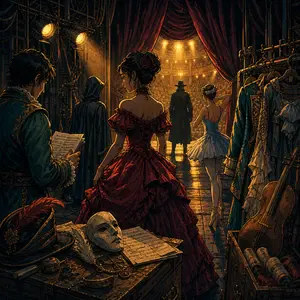






Why Monologues Still Matter
Monologues survive every shift in performance culture because a single voice can hold an entire conflict if the pressure is right. On stage, a monologue can interrupt action and reveal the private logic behind it. In film and television, the speech often arrives when a character can no longer dodge the truth and must finally say what the camera has been hinting at. In auditions, teachers and casting directors listen for objective, subtext, rhythm, and whether the speaker sounds like a person rather than an exercise. That is why strong prompts matter. A useful monologue idea does not only supply a mood. It gives you a listener, a reason for speaking now, a wound underneath the words, and a turn that can shift the room. The tradition runs from Greek messengers and Shakespearean confession to contemporary courtroom breakdowns, therapy scenes, voice-over confessions, and one-sided arguments recorded on a phone. The form keeps changing, but the engine stays the same: someone wants to control the story, and the pressure of speaking exposes the cracks.
How to Use a Prompt Without Flattening It
Choose the invisible listener
Even when only one character speaks, monologues are not solitary. The speaker is always talking to someone: a lover who is leaving, a jury that wants blood, a ghost that may or may not be present, a parent who never apologized, a crowd that mistakes polish for innocence. Decide exactly who receives the speech. That decision changes diction, breath, and what the speaker dares to hide. A ruthless executive will talk differently to a shareholder than to a younger sibling. A grieving son may speak one way to a nurse and another way to the dead person in the room.
Find the beat where the speech turns
Good monologues rarely stay on one emotional track. A confession becomes a defense. A joke becomes a threat. A eulogy becomes an overdue argument. When you use one of the generated prompts, mark the instant where the speaker loses control of the version they wanted to present. Actors call that a beat change; writers feel it as the moment the scene stops explaining and starts exposing. If nothing shifts, the monologue is usually an essay wearing costume jewelry.
Write the exit line last
The final line should land like a door closing, not a paragraph tapering off. If the speech ends with a clean image, a shocking admission, or a precise refusal, the listener feels the aftershock. Many weak monologues wander because the writer starts with backstory instead of destination. Let the prompt suggest the crisis, then write toward the sentence that nobody else in the scene can answer easily. That exit line is often what actors remember in rehearsal, what directors shape the silence around, and what an audience carries home.
Voice, status, and emotional weight
Monologues are also tools for building character architecture. Status changes syntax. A mayor protecting a scandal speaks differently from a grief-struck son sorting hospital flowers. A con artist tends to justify before they confess. A teenager usually circles the truth until frustration breaks the pattern. Someone from money may hide panic inside polished language, while someone under pressure might strip every sentence down to survival. This is where the generator becomes more than a randomizer. Use the prompt to decide class, profession, education, regional vocabulary, and what the speaker believes they are entitled to. Then ask what they cannot say directly. The best speeches are rarely pure honesty. They are negotiations between self-image and need, between the performed self and the self that appears when the voice runs out of tricks.
Tips for Writers
- Give the speaker an objective stronger than self-expression. They should need to win, keep, punish, soften, delay, seduce, or survive.
- Place a specific listener in the room, even if that listener never answers aloud. The speech gains shape when resistance is imagined.
- Add one concrete object, such as a watch, wet bouquet, ledger, bus ticket, or ruined cake. Props anchor abstract emotion and help actors play action.
- Track the tactic changes. A persuasive monologue often moves from charm to pressure to vulnerability to command.
- Cut throat-clearing exposition. If the first line could appear in any drama workshop, start later and closer to danger.
- Read the speech aloud. If breath, rhythm, or emphasis feels flat, the character probably has not discovered what they truly want yet.
Inspiration prompts
Use the generator as a pressure starter, not a cage. Let each result open a dramatic corridor, then ask sharper questions until the speaker feels disturbingly specific.
- Who is the unseen listener, and what power do they hold over the speaker right now?
- What fact would make the speaker stop talking if the listener said it aloud?
- Which sentence is the performance, and which sentence is the accidental truth?
- What object in the room can carry history without needing explanation?
- If the monologue ended ten seconds earlier, what essential revelation would be missing?
Frequently Asked Questions
Explore the most common questions about the Monologue Generator and how it can help you shape sharper dramatic speeches.
What does the Monologue Generator actually create?
It generates dramatic monologue setups rather than finished speeches, giving you a speaker, a pressure point, and a likely turn so you can write or rehearse from a strong premise.
Are these prompts better for auditions or for writing scenes?
They work for both. Actors can use them to build original audition material, and writers can use them to discover voice, conflict, and scene structure before drafting dialogue.
How should I turn one prompt into a finished monologue?
Start by choosing the listener, the objective, and the hidden fact. Then write toward a beat change and a decisive final line instead of explaining everything in a flat block.
Can I use the generator for comedy as well as drama?
Yes. Many prompts can tilt toward comedy, tragedy, thriller, horror, or realism depending on the speaker, the pacing, and what the listener refuses to say back.
How do I keep a monologue from sounding generic?
Give the speech a precise listener, one concrete object, and a contradiction the speaker cannot manage cleanly. Specific pressure creates memorable voice faster than ornamental language does.
What are good monologue ideas?
There's thousands of random monologue ideas in this generator. Here are some samples to start:
- After the anniversary dinner, admit why you kept the unopened letter.
- Deliver a monologue from an official who weaponized procedure.
- Compose a confession spoken to a locked reliquary that keeps breathing.
- Write a confession for the burglar who only steals apology letters.
- Turn a eulogy into a map of every family lie.
- Imagine a founder admitting the mission statement died before the profits arrived.
- Build a scene in which the rescue chopper passes overhead.
- Offer a monologue from the sibling who weaponized party games.
- Close by naming the first person who recognized the disguise lovingly.
- Refuse closure because closure sounds like eviction.
About the creator
All idea generators and writing tools on The Story Shack are carefully crafted by storyteller and developer Martin Hooijmans. During the day I work on tech solutions. In my free hours I love diving into stories, be it reading, writing, gaming, roleplaying, you name it, I probably enjoy it. The Story Shack is my way of giving back to the global storytelling community. It's a huge creative outlet where I love bringing my ideas to life. Thanks for coming by, and if you enjoyed this tool, make sure you check out a few more!
Embed on your website
To embed this idea generator on your website, copy and paste the following code where you want the widget to appear:
<div id="story-shack-widget"></div>
<script src="https://widget.thestoryshack.com/embed.js"></script>
<script>
  new StoryShackWidget('#story-shack-widget', {
    generatorId: 'monologue-generator',
    generatorName: 'Monologue Generator',
    generatorUrl: 'https://thestoryshack.com/tools/monologue-generator/',
    language: 'en'
  });
</script>