
Copied!
Story apps Take your next step in the Story Shack suite.
 Saved ideas
 See previous results (<% accordionPreviousResults.length %>)
Copied!
Explore Story Shack
More generators, writing tools and storytelling resources.
Explore more from Writing Prompts
- Topics
- Writing prompts
- Pictionary words
- Objects
- Fanfic AU prompts
- Monologue ideas
- Dream prompts
- Morning Pages
- Breakup Prompts
- Royal court scene prompts
- Found Treasure Prompt Generator
- Fluff prompts
- Cabin in the Woods Setup Name Generator
- Battle Cry Generator
- Court Mage Prompts
- Drug names
- Tombstone Epitaph Brief Generator
- Dialogue prompts
- TikTok Hook Generator
- Betrayal Scene Prompts
- Aromantic Story
- Animated Movie Pitch Names
- Blessing Generator
- Auto Reply Snark Briefs
- Achillean Roommates Tropes
- Class Reunion Prompts
- Phobia prompts
- Auction Lot Description Briefs
- Civil War Faction Name Generator
- Diary entry prompts
- Treasure Map Clue Brief
- Cowboy Trail Song Ideas
- Prophecy prompts
- Excuse To Skip Meeting
- Moral dilemma prompts
- Battle names
- Whump prompts
- Childhood memory prompts
- Camp Counselor Story
Discover even more random name generators
Explore all Writing
Skip list of categories
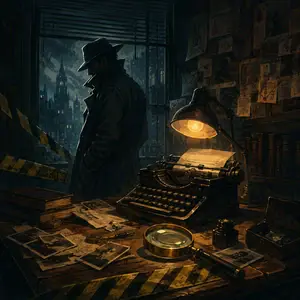
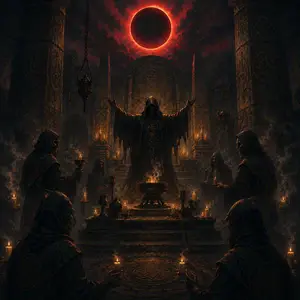
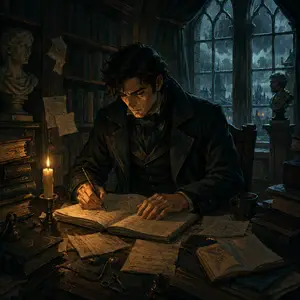
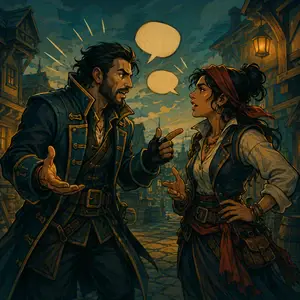
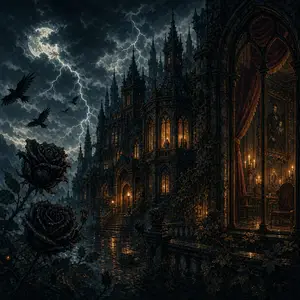
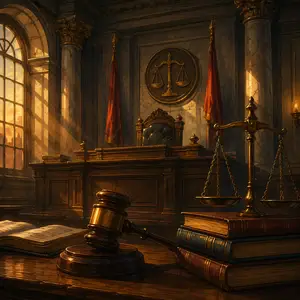
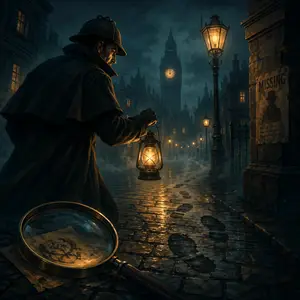
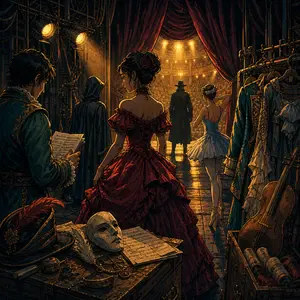
Why scene prompts work
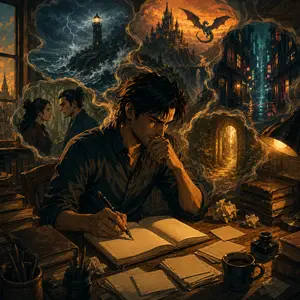
Stories are remembered as scenes long before they are remembered as outlines. Readers hold onto the dinner where nobody says the important thing, the corridor where the wrong person overhears a promise, the ferry ride where a secret changes hands. A scene prompt helps you start at that level of pressure. Instead of asking for an entire premise, it gives you a contained dramatic unit with place, friction, and a possible turn. That makes it useful for novelists drafting chapters, screenwriters testing beats, game masters building character moments, and students learning how conflict behaves in real time. Scene prompts also lower the cost of beginning. You do not need to solve the whole story yet. You only need to enter one room, let two intentions collide, and follow the consequences until the scene changes somebody.
How to use a scene prompt well
Start with the imbalance
Most effective scene prompts contain an uneven distribution of power, information, desire, or timing. One character knows more. One character wants out while another needs the conversation to continue. One setting offers privacy that is about to disappear. When you receive a prompt, identify that imbalance first. If you know what each person is protecting, you already know where the pressure points sit. A useful drafting move is to write a private sentence for each character before you begin: what do they want right now, and what can they not afford to say?
Let the setting create pressure
The location in a scene prompt should never feel ornamental. A pantry, bus stop, witness room, chapel crypt, rehearsal dinner, or flooded subway all impose different constraints on sound, movement, interruption, and shame. Treat the place as an active force. Ask what the room allows the characters to hide, what it forces them to reveal, and what objects can become leverage. If the prompt mentions a ceremony, machine, queue, vehicle, or storm, that detail is there to shape pace. Lean into it. Let announcements interrupt confessions, let cramped quarters sharpen body language, and let public settings make private truths dangerous.
Decide what changes by the exit
A scene earns its place in a draft when somebody leaves it altered. That does not mean the scene needs explosions or a twist on every line. It means the emotional or practical situation at the end cannot be identical to the one at the start. A character gains evidence, loses certainty, chooses a side, or makes a promise that now traps them. When using this generator, write the ending beat in the margin before you draft. Not the exact final line, but the changed condition. Knowing the shift keeps the middle from wandering into static conversation.
The weight a single scene can carry
Scene-level thinking is especially valuable for writers who know their worlds but struggle to make pages move. A strong scene can reveal class differences through seating charts, expose family history through an object nobody should have kept, or show political pressure through who is allowed to interrupt. It can also communicate genre with very little explanation. A fantasy scene becomes believable when ritual language shapes who may speak. A crime scene sharpens when evidence has social cost. A romance scene turns vivid when two people want closeness and escape at the same time. Because scenes are the smallest units where desire meets resistance, they are often the fastest way to discover what your larger story is really about.
Tips for writers
- Give every scene one concrete object that can be touched, moved, hidden, broken, or misread. Physical detail keeps tension from becoming abstract.
- Let the quieter character make at least one surprising move. Silence becomes much more interesting when it changes the balance of the room.
- Attach a visible clock to the scene, even if it is only a cooling casserole, boarding call, alarm, tide, or speech starting in five minutes.
- Write one line of dialogue that means one thing on the surface and another underneath. Scene prompts become memorable when speech carries a second blade.
- End with a decision, discovery, or irreversible image rather than explanation. Readers trust scenes that stop on consequence instead of summary.
Inspiration prompts
If you want to expand a generated scene into something larger, ask questions that expose what happened before the room opened and what the room will cost after it closes.
- Which character entered the scene intending to lie, and what makes that lie harder to maintain than expected?
- What detail in the setting can echo a larger theme such as class, grief, ambition, faith, or betrayal?
- If the same scene played one hour later, what advantage or protection would be gone?
- Who would describe this scene very differently the next day, and what would that reveal about memory or guilt?
- What promise, debt, or wound follows the characters out of the room and reshapes the next chapter?
Frequently Asked Questions
Explore the most common questions about the Scene Prompt Generator and how it can help you draft sharper conflicts, cleaner beats, and more memorable moments.
How does the Scene Prompt Generator work?
Each click pulls a compact dramatic setup built around a location, at least two forces in tension, and a beat that suggests movement rather than a static premise.
Can I specify the type of scene I want?
The generator is random, but you can steer the result by deciding genre, point of view, and emotional stakes after you get the prompt, then rewriting details to fit your project.
Are the scene prompts unique?
They are hand-authored for variety, so the combinations of setting, conflict, and implied history feel distinct enough to trigger different scenes instead of repeating one formula.
How many scene prompts can I generate?
You can keep generating as long as you like, which makes the tool useful for daily sprints, warm-up exercises, chapter rescue work, or tabletop prep.
How do I save favorite scene prompts?
Click a result to copy it, or use the heart icon to save promising prompts so you can return when you need a fresh chapter opening or scene revision target.
What are good scene prompts?
There's thousands of random scene prompts in this generator. Here are some samples to start:
- At breakfast, a daughter hides a winning lottery ticket from her exhausted father.
- Inside the greenroom, a comedian hears her opener stealing last rites.
- At a rural bus stop, strangers compare identical maps to different missing towns.
- At the moonwell, a novice priestess sees her enemy reflected as family.
- At the airlock, a mechanic refuses entry to the captain’s cloned wife.
- At the rehearsal dinner, ex-lovers are seated beside the secret they share.
- At the estate sale, cousins compete to buy the same cracked teacup.
- At the avalanche shelter, a guide recognizes the tourist from his cold case.
- At the ceasefire table, translators notice both generals are improvising different wars.
- Before dawn canvassing, volunteers uncover the vanished block from official maps.
About the creator
All idea generators and writing tools on The Story Shack are carefully crafted by storyteller and developer Martin Hooijmans. During the day I work on tech solutions. In my free hours I love diving into stories, be it reading, writing, gaming, roleplaying, you name it, I probably enjoy it. The Story Shack is my way of giving back to the global storytelling community. It's a huge creative outlet where I love bringing my ideas to life. Thanks for coming by, and if you enjoyed this tool, make sure you check out a few more!
Embed on your website
To embed this idea generator on your website, copy and paste the following code where you want the widget to appear:
<div id="story-shack-widget"></div>
<script src="https://widget.thestoryshack.com/embed.js"></script>
<script>
  new StoryShackWidget('#story-shack-widget', {
    generatorId: 'scene-prompt-generator',
    generatorName: 'Scene Prompt Generator',
    generatorUrl: 'https://thestoryshack.com/tools/scene-prompt-generator/',
    language: 'en'
  });
</script>