 Saved ideas
 Explore Story Shack
More generators, writing tools and storytelling resources.
Explore more from Writing Prompts
- Writing prompts
- Objects
- Pictionary words
- Topics
- Monologue ideas
- Fanfic AU prompts
- Dream prompts
- Conspiracy Theory Hook Generator
- Bedtime Story Hooks
- Campaign names
- Whump prompts
- Family Motto
- Eulogy Openers
- Auction Lot Description Briefs
- Babysitter Horror
- Body Horror Affliction
- Fluff prompts
- Twin Story
- Death Scene Prompts
- Prophecy prompts
- Bachelor Mansion Contestant
- Bubble App Ideas
- Memory prompts
- Worldbuilding Calendar Prompts
- Shipping prompts
- Letter Prompts
- Citizen Science Project Briefs
- Coming of Age Beats
- Drug names
- TikTok Hook Generator
- Antihero ideas
- Funeral Scene Prompt Brief Generator
- Battle names
- Standup Excuse Prompt Generator
- Airport Scene Prompt
- Diplomatic Incident Prompts
- Body Horror Mutation Stories
- Civil War Faction Name Generator
- Phobia prompts
Discover even more random name generators
Explore all Writing
Skip list of categories
Why moral dilemmas create real story pressure
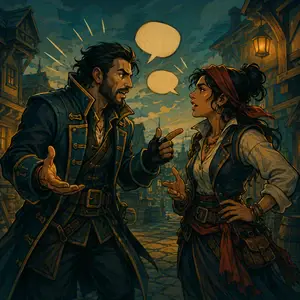
Moral dilemmas matter because they force a character to reveal what kind of harm they can live with. Physical danger can be external. A moral choice turns the danger inward. If a medic must choose which patient receives the last dose, if a mayor must warn the city and start a panic, or if a child must expose a parent to protect strangers, the scene becomes more than suspense. It becomes argument, conscience, and identity. That is why moral dilemmas sit at the heart of tragedy, courtroom drama, political fiction, war stories, dystopia, crime, and literary realism. From Antigone choosing family duty over state law to modern whistleblower plots where truth destroys private loyalty, the power comes from competing values, not from cartoon good and evil. A useful prompt does not ask whether the hero will do the right thing. It asks which right thing the hero will betray, and what that betrayal costs afterward.
How to turn a dilemma into a scene that works
Put two defensible values into collision
The strongest dilemmas are not built from obvious villainy. They place mercy against justice, loyalty against truth, survival against fairness, privacy against safety, tradition against reform, or one life against many. If one option is clearly noble and the other is clearly monstrous, the scene collapses into a test of decency rather than a real dilemma. When you use a prompt from this generator, identify the two values first. Name them in plain language. Then ask who benefits from each option, who pays for it, and who is not in the room to argue for themselves. That last question often reveals the buried moral wound.
Make every path expensive
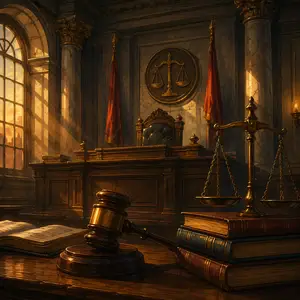
A compelling moral dilemma leaves damage on both sides. If a judge bends the law for a sympathetic thief, precedent erodes. If the judge enforces the law, a hungry family is crushed. If a resistance cell destroys a bridge to slow an army, civilians may die with the soldiers. If it hesitates, the occupation deepens. Give each option a visible cost, a hidden cost, and a future cost. Visible cost is immediate loss. Hidden cost is the compromise to reputation, relationships, or self-image. Future cost is the long shadow that decision casts over later chapters. This layered cost structure keeps the prompt from feeling like a debate club exercise and turns it into plot.
Tie the choice to biography
A moral dilemma becomes memorable when the choice touches the character's history. The police chief who once survived corruption reads a cover-up differently than the officer who still believes procedure can save everyone. The daughter of refugees will hear a border decision differently than the mayor who has never lacked papers. Connect the prompt to wound, upbringing, faith, class, profession, or private shame. Then the same abstract problem becomes deeply personal. Readers do not remember dilemmas because they were balanced on a whiteboard. They remember them because the choice forced a specific person to betray or preserve the part of themselves they most treasured.
Ethics, genre, and the weight of consequence
Different genres lean on different moral frameworks. Crime fiction often pits legality against loyalty or revenge. Medical drama lives on triage, consent, secrecy, and unequal access to care. Political fiction deals in dirty hands decisions, where leaders do harm to prevent larger harm. Fantasy frequently dresses moral dilemmas in prophecy, oath, curse, sacrifice, or divine command. Science fiction adds algorithmic bias, surveillance, cloning, memory editing, and the ethics of artificial minds. War fiction presses hardest on collective survival, collaboration, and whether ends justify means. You do not need to lecture through the scene, but it helps to know which ethical logic is winning. Is your character counting outcomes, refusing to cross a line, protecting a relationship, or obeying an institution? The clearer the moral language, the sharper the aftermath will feel.
Tips for writers using moral dilemma prompts
- State the dilemma in one sentence, then write a second sentence naming the cost of each option. If you cannot name both costs, the setup is still too soft.
- Give the character a reason to want each path. That usually creates better tension than simply making one option socially expected.
- Let other characters argue from their own values instead of serving as mouthpieces for the theme. Conflicting moral vocabularies make the scene feel alive.
- Show the consequence after the decision, not just the decision itself. Shame, relief, rationalization, grief, and silence are part of the drama.
- Reuse the dilemma later in altered form. A second choice that echoes the first often reveals whether the character has changed or simply justified themselves better.
Inspiration prompts
When a generated scenario grabs you, expand it by asking questions that sharpen responsibility, pressure, and emotional fallout.
- Who pays for the decision immediately, and who pays months later?
- What private history makes one option feel unforgivable to this character?
- Which person in the room has the weakest voice but the most to lose?
- What version of themselves will the protagonist have to become to choose either path?
- If the decision stays secret, what corrodes; if it becomes public, what explodes?
Frequently Asked Questions
Explore the most common questions about the Moral Dilemma Prompt Generator and how it can help you write choices with real ethical weight.
How does the Moral Dilemma Prompt Generator work?
Each click produces a short scenario where two defensible values collide, giving you a story seed built around consequence, pressure, and a decision with no painless outcome.
Can I use these prompts for novels, scripts, and RPG campaigns?
Yes. The prompts are broad enough for fiction, screenwriting, tabletop campaigns, classroom ethics discussion, and character exercises that need conflict deeper than simple danger.
Are the prompts all dark and tragic?
Many are serious because moral pressure works through consequence, but they vary across family drama, law, medicine, politics, fantasy, science fiction, friendship, and survival.
How many moral dilemma prompts can I generate?
You can generate as many as you need while outlining, revising, building NPC motives, planning discussion exercises, or searching for the one decision that defines a character.
How should I save a dilemma prompt that feels strong?
Copy the prompt, note the two values in conflict, and record the immediate and delayed cost of each option. Those three notes usually unlock the full scene quickly.
What are good moral dilemma prompts?
There's thousands of random moral dilemma prompts in this generator. Here are some samples to start:
- Your sister hid evidence that could free an innocent man and destroy your family.
- The magistrate's strict ruling will save precedent and doom an innocent village healer.
- The organ match is your enemy, but without you a child dies tonight.
- The mayor can reveal the contaminated water now or avoid mass panic during evacuation.
- Your cell can bomb the rail line carrying soldiers and kidnapped children together.
- The friend group can protect one liar or shatter around the truth.
- The startup's miracle app relies on underpaid moderators absorbing trauma all night.
- Your company can stop a terror attack only by activating illegal mass surveillance.
- A witch can cure the plague if every healed villager forgets their first love.
- The rescue helicopter can lift your brother or the engineer who can reopen the dam.
About the creator
All idea generators and writing tools on The Story Shack are carefully crafted by storyteller and developer Martin Hooijmans. During the day I work on tech solutions. In my free hours I love diving into stories, be it reading, writing, gaming, roleplaying, you name it, I probably enjoy it. The Story Shack is my way of giving back to the global storytelling community. It's a huge creative outlet where I love bringing my ideas to life. Thanks for coming by, and if you enjoyed this tool, make sure you check out a few more!
Embed on your website
To embed this idea generator on your website, copy and paste the following code where you want the widget to appear:
<div id="story-shack-widget"></div>
<script src="https://widget.thestoryshack.com/embed.js"></script>
<script>
  new StoryShackWidget('#story-shack-widget', {
    generatorId: 'moral-dilemma-prompt-generator',
    generatorName: 'Moral Dilemma Prompt Generator',
    generatorUrl: 'https://thestoryshack.com/tools/moral-dilemma-prompt-generator/',
    language: 'en'
  });
</script>