More generators, writing tools and storytelling resources.
Origins and why antiheroes work
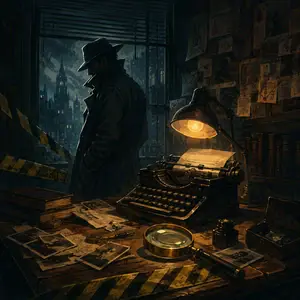
The antihero is not just a villain with good lighting. In myth and tragedy you can trace them to figures who are brave, capable, and fatally compromised, the kind of person who can win a battle yet lose themselves. Modern antiheroes show up in noir, crime fiction, and revenge narratives because they let you put a moral argument inside the plot. A classic hero answers danger with duty. An antihero answers danger with need, resentment, desire, or fear, then justifies the choice after. That gap between what they say and what they do is where voice lives. Readers root for an antihero when the character’s private code is clear, even if the code is crooked.
Picking the right kind of flaw
Give them a virtue that is expensive
A redeeming trait should cost the antihero something. Loyalty is more interesting when it forces them to protect the one person who knows their worst secret. Compassion is sharper when it leads them to break a rule they once defended. If the virtue is free, it reads like a fig leaf. Make it collide with their goals.
Choose a vice that creates plot
Vices are engines, not decorations. Addiction, greed, envy, pride, and violence all create decisions under pressure. The best antihero vices are specific: they gamble when they feel powerless, they lie when they feel cornered, they punish the guilty because it keeps grief at bay. Build the vice into scenes, not backstory. Show what the vice buys them today, and what it will cost them tomorrow.
Define the line they will not cross
An antihero’s line is not a slogan, it is a test you can run again and again. “I will not hurt children” is a starting point, but you can sharpen it: they will not kill an unarmed person, they will not betray the one witness who trusted them, they will not profit from someone else’s humiliation. The story gets electric when circumstances make the line inconvenient. The tension is not whether they have a line, but what they do when the line becomes the only way out.
Identity, reputation, and the mask
Antiheroes carry two identities: the one they perform to survive, and the one they admit to themselves at 3 a.m. Think about who calls them a hero and who calls them a monster. A detective who plants evidence may be adored by victims and despised by colleagues. A revolutionary might be a legend to a neighborhood and a nightmare to a family who lost someone in the blast. Reputation is a tool: it can protect them, tempt them, or trap them. Give your antihero a public story they repeat, and a private truth they avoid saying out loud. When those versions collide, you get the pivot scenes that make readers care.
Tips for writers
- Anchor every scene in a choice between relief now and regret later.
- Let their code be consistent, then test it with a situation that feels unfair.
- Make consequences personal: a friend hurt, a home lost, a witness frightened.
- Balance competence with a blind spot, and let the blind spot drive mistakes.
- Give them one relationship that they cannot solve with intimidation or charm.
Inspiration prompts
Use these questions to turn a cool vibe into a story plan.
- What did your antihero do once that they will never forgive themselves for?
- Who benefits from their worst habit, and who pays the bill?
- What is the smallest mercy they can offer that still changes the outcome?
- Which person can call them out and still be believed by others?
- What event forces them to choose between their code and their survival?
Frequently Asked Questions
Explore common questions about using the Antihero Generator to shape a morally gray protagonist you can actually write scene by scene.
What makes a protagonist an antihero instead of a villain?
An antihero is centered as the main viewpoint and has a recognizable personal code or tenderness, even while doing harm. A villain usually pursues harm or power as the point, and the story resists their excuses.
How can I tailor a prompt to my genre?
Treat each result as a core engine, then swap the setting and pressure: noir needs secrets and leverage, fantasy needs bargains and oaths, sci-fi needs systems and scarcity. Keep the virtue, vice, and line intact.
How do I keep an antihero likable without excusing them?
Show honest consequences and let other characters disagree with them. Give the antihero a real cost for their choices, plus moments of restraint that are hard for them. Readers can empathize without endorsing.
What is a good "line they won’t cross" to build a plot around?
Pick a line that is concrete and testable, like refusing to harm civilians, refusing to betray one person, or refusing to profit from humiliation. Then design a crisis where crossing the line looks like the easiest solution.
How do I save and reuse the best results during outlining?
Generate a handful, then copy the ones that click into your notes and highlight the virtue, vice, and line. If the site offers favorites, tap the heart to keep a short list you can return to while drafting scenes.
What are good antihero ideas?
There's thousands of random antihero ideas in this generator. Here are some samples to start:
- A pickpocket feeds street kids, but never returns what the rich can replace.
- An alley medic steals supplies for a free clinic and refuses to treat abusers.
- A debt collector targets predators, yet keeps one name off the books forever.
- A bike courier runs contraband to pay rent, but won’t deliver to children.
- A loan shark forgives interest for widows and breaks legs for thrill-seekers.
- A getaway driver funds her sister’s tuition and never drives a job with hostages.
- A pawnshop broker fences stolen heirlooms, then anonymously buys back wedding rings.
- A diner cook poisons gang lieutenants, but leaves honest cops alive.
- A street preacher runs a protection racket, yet shelters runaways without charge.
- A graffiti artist blackmails landlords and never tags over memorials.
About the creator
All idea generators and writing tools on The Story Shack are carefully crafted by storyteller and developer Martin Hooijmans. During the day I work on tech solutions. In my free hours I love diving into stories, be it reading, writing, gaming, roleplaying, you name it, I probably enjoy it. The Story Shack is my way of giving back to the global storytelling community. It's a huge creative outlet where I love bringing my ideas to life. Thanks for coming by, and if you enjoyed this tool, make sure you check out a few more!

 Saved ideas