More generators, writing tools and storytelling resources.
Black site codenames in thriller writing
Black site codenames work because they compress secrecy into a label. In a thriller, the name may appear before the reader understands what the place is. A customs warehouse, weather station, clinic, island pier, mining claim, or embassy archive can sound mundane on paper while carrying a colder meaning in context. The best codename does not explain the whole plot. It gives the writer a useful handle and gives the audience a reason to lean closer.
Choosing the right kind of codename
Cover story names
Many results read like institutional covers: logistics hubs, survey camps, medical annexes, weather posts, mining concessions, and quarantine stations. These work when the site must have a plausible public face. A cover name should be simple enough to appear on an invoice, a badge, or a shipping label, but strange enough to become memorable once the truth surfaces.
Redaction and archive names
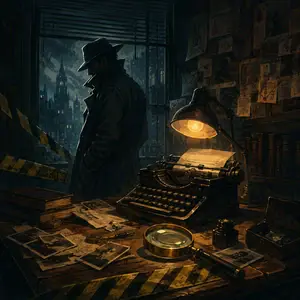
Other results lean into file culture: sealed packets, black bars, jacket numbers, budget lines, cable phrases, and recovered burn notices. These names suit dossiers, leaks, and scenes where a character discovers the place through paperwork rather than travel. They are useful when the menace comes from bureaucracy, not from a visible fortress.
Location and movement names
Some names point toward remote geography or transit: arctic relays, desert surveys, mountain receivers, maritime holding points, satellite blind spots, and unmarked transfer routes. These names help when the story needs motion. They suggest how people are moved, how signals are hidden, or why a site can exist outside ordinary scrutiny.
Context, tone, and care
Black site fiction often brushes against real political violence, detention, and secrecy. A codename can create tension without turning suffering into spectacle. Use the name to support plot, stakes, and atmosphere, not to decorate harm. A cleaner phrase can be more disturbing than a graphic one because it shows how institutions hide rough purposes behind neutral language.
Practical tips for using a generated name
- Pair the codename with a cover document, such as a shipping manifest, grant line, weather report, or embassy pouch.
- Decide whether the name is public, internal, leaked, or known only to one handler.
- Let the first appearance feel harmless, then reveal why the label matters later.
- Use one dominant angle per site, such as geography, budget code, cover story, or transport route.
- Avoid overexplaining the name. Leave enough ambiguity for suspicion and discovery.
- Change one word if the result is strong but too close to an existing place in your story.
Questions to shape the scene
Once a codename catches your attention, test how it behaves inside the story. A strong label should create questions before it gives answers.
- Who invented the codename, and what were they trying to conceal?
- What harmless explanation would appear on the official paperwork?
- Which character first hears the name without understanding it?
- What detail turns the codename from background noise into evidence?
- How does the name change meaning after the site is exposed?
- What object, route, or witness still carries the codename after the operation is gone?
How does the Black Site Codename Generator work?
It draws from a focused pool of black site style codenames, then returns one randomized result per click. The names emphasize cover stories, redacted files, hidden geography, and thriller-ready institutional secrecy.
Can I steer the Black Site Codename Generator toward a specific name angle?
Yes. Re-roll until the angle matches your scene, then adapt the wording. You can combine a cover-style name with a file-style name to suggest both public disguise and private function.
Are the names original and safe to use?
The names are written for this generator and designed for fictional projects. They can be used in personal stories, games, scripts, and most commercial creative work, with normal care around real institutions.
How many names can I generate?
You can keep rolling as often as you need. Use several results to compare tone, separate locations, or build a chain of related facilities without revealing the underlying pool size.
How do I save the names I like?
Use click-to-copy for a quick transfer, or select the heart icon to save a favorite. Keeping a few candidates together helps you choose the cleanest fit later.
What are good Black Site Codenames?
There's thousands of random Black Site Codenames in this generator. Here are some samples to start:
- Amber Causeway
- Coldwater Shelf
- Jasper Outcrop
- Nettle Ledger
- Alpine Listener
- Junction Depot
- Xyloid Bore
- Lastlight Entry
- Vanishing Crossing
- Blackmatch Packet
About the creator
All idea generators and writing tools on The Story Shack are carefully crafted by storyteller and developer Martin Hooijmans. During the day I work on tech solutions. In my free hours I love diving into stories, be it reading, writing, gaming, roleplaying, you name it, I probably enjoy it. The Story Shack is my way of giving back to the global storytelling community. It's a huge creative outlet where I love bringing my ideas to life. Thanks for coming by, and if you enjoyed this tool, make sure you check out a few more!

 Saved ideas