
 Saved ideas
 Explore Story Shack
More generators, writing tools and storytelling resources.
Explore more from Romance
- Breakup texts
- Friends-to-lovers beats
- Bi awakening stories
- Sapphic romance prompts
- Workplace romance prompts
- Fourth Wing dragons
- Forced Proximity Generator
- BookTok Heroine Brief
- Valentine messages
- Enemies-to-lovers prompts
- Long Distance Romance
- Fake dating prompts
- Asexual romance ideas
- Fake dating tropes
- Polyamory Story
- BookTok Hero Brief
- Fated Mates Prompt Generator
- Wlw Meet Cute Brief
- Forbidden Romance Prompt
- Romance trope prompts
- Slow burn romance prompts
- Meet-cute prompts
- Bonded Pair Names
- Demisexual Romance Briefs
- Arranged Marriage Prompt Generator
- Meet Cute
Discover even more random name generators
Explore all Writing
Skip list of categories

















Origins and Lore
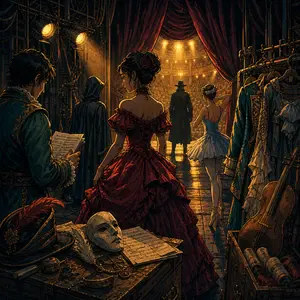
The marriage-of-convenience trope traces back centuries in storytelling traditions. From Greek plays where shipwreck survivors wed for survival to Jane Austen's novels exploring marriage as economic strategy, the form has always examined what happens when two people enter a union for reasons beyond love, only to discover that love was the missing variable all along. The trope works because it externalizes the internal: characters who would never admit attraction must confront it through proximity, obligation, and shared stakes.
Picking and Using the Trope
The Contract Clause That Binds
Every good marriage-of-convenience story needs a specific clause, loophole, or condition that keeps the couple tethered. The contract might demand they share a living space, attend events as a pair, or maintain the arrangement for a set period. Without this anchor, the story loses tension. The clause becomes both the External Goal driving them together and the obstacle preventing them from acknowledging what is really happening.
The Signature Loophole
The moment of signing matters. Whether it happens in a lawyer's office, a hospital corridor, or a royal ceremony, the signature scene should carry weight. Consider what happens if one party signs under duress, if the signature is witnessed by someone who later becomes important, or if the contract contains a buried clause neither party noticed. The signature is both a beginning and a trap.
The Falling-in-Love Reveal
The turn happens when the convenience no longer feels like the reason. This might come through a mundane moment, a crisis that reveals true investment, or simply the accumulation of small gestures that add up to something real. The reveal works best when one character notices they have been thinking of the arrangement as permanent without meaning to. The other character's reaction to this realization becomes the emotional climax before the final resolution.
The Renegotiation Scene
The final pivot arrives when the original terms must be updated or abandoned. One character proposes a new clause, challenges the termination date, or simply asks what happens if they choose to stay. This scene rewrites the relationship's foundation and transforms the fake marriage into something that was always waiting to become real.
Identity and Cultural Weight
The trope carries different weight across genres and cultures. In Regency romance, the marriage of convenience often addresses women's economic vulnerability. In contemporary romance, it might explore immigration law, corporate politics, or found family structures. The premise scales from cozy small-town settings to high-stakes royal intrigue. What remains constant is the question: what happens when two people who chose each other for reasons other than love finally admit they would choose each other again?
Writing Tips
- Keep the practical stakes high enough that walking away carries real cost.
- Give each character a private reason for agreeing to the arrangement that the other does not know.
- Use public events, family gatherings, or professional obligations to force performative intimacy.
- Let one character notice the shift before the other, and have that create its own tension.
- Build the renegotiation scene around a concrete proposal rather than a vague confession.
- Consider what the contract was supposed to protect each character from, and let that fear resurface before the resolution.
- Use setting-specific details like tax deadlines, inheritance clauses, or immigration paperwork to ground the premise.
- Remember that the fake element works best when both characters benefit differently from the arrangement.
Inspiration Prompts
- A seventy-two-hour deadline to marry or lose an inheritance forces two strangers into a courthouse ceremony.
- The immigration interview goes wrong when the officer is the ex who knows the marriage is a fraud.
- A royal wedding is announced to prevent a trade war, but the bride and groom have never met.
- A small-town newspaper accidentally prints an engagement announcement for two people who never dated.
- The prenup negotiation reveals one spouse has been hoping the contract would never end.
- A storm strands the newlyweds at an inn with one bedroom, and neither knows how to tell the other it stopped feeling fake.
- The vow renewal guest asks when they first fell in love, and neither can remember a time when they were not.
- The business merger closes, and the founders realize their marriage was listed as a condition of the deal.
- A custody hearing reveals the marriage certificate might be fake, and the child is the one who suffers.
- The contract expires tomorrow, and both characters pretend they have not been dreading this date for weeks.
What is a marriage-of-convenience trope?
A marriage-of-convenience trope is a storytelling device where two characters enter a marriage for practical reasons rather than romantic ones. They may need to secure an inheritance, obtain citizenship, finalize a business deal, or meet social expectations. The story develops as the characters navigate their arrangement while discovering genuine feelings for each other.
What makes a good marriage-of-convenience story?
A good marriage-of-convenience story requires specific contractual terms that force continued proximity, distinct motivations for each character to enter the arrangement, and a gradual shift from transactional to emotional investment. The best versions give readers moments where the performance becomes indistinguishable from authenticity.
How do you write the falling-in-love reveal?
The falling-in-love reveal works best when it happens through mundane details rather than dramatic gestures. One character notices they have been thinking about their fake spouse when apart, or they realize they unconsciously rearranged their schedule around the other person. The moment should feel like a private discovery rather than a declaration, leaving room for the other character to catch up.
What is the renegotiation scene?
The renegotiation scene is the moment when the original terms of the marriage are challenged or rewritten. One character proposes extending the contract, changing its conditions, or simply asks what happens if they do not want to end it. This scene transforms the relationship from a temporary arrangement into something both characters actively choose.
How do you end a marriage-of-convenience story?
The most satisfying endings occur when the characters must actively choose each other rather than simply letting the contract expire. The renegotiation scene should require both parties to articulate why they want to stay. The story ends not when the reason for the marriage disappears, but when the reason for staying becomes personal.
What are good Marriage Of Convenience Trope Generator?
There's thousands of random Marriage Of Convenience Trope Generator in this generator. Here are some samples to start:
- A ticking inheritance clause forces two rivals to wed before the spring equinox.
- A green-card interview turns into a surprise reunion between former flames.
- A princess must marry a commoner to secure a trade deal, and the palace panics.
- The whole town thinks they are married after a mistyped announcement in the newsletter.
- Two antagonists discover their merger is actually a marriage clause in disguise.
- A terminally ill patient needs emergency visitation rights, and the only solution is a quick marriage.
- A snowstorm strands two rivals in a mountain lodge with a single bedroom.
- A red carpet event requires a date
- two celebrities agree to fake a relationship on the spot.
- Tax season reveals a clerical error that files two strangers as married, and both owe money.
- A former flame returns at the worst possible time: the fake wedding rehearsal dinner.
About the creator
All idea generators and writing tools on The Story Shack are carefully crafted by storyteller and developer Martin Hooijmans. During the day I work on tech solutions. In my free hours I love diving into stories, be it reading, writing, gaming, roleplaying, you name it, I probably enjoy it. The Story Shack is my way of giving back to the global storytelling community. It's a huge creative outlet where I love bringing my ideas to life. Thanks for coming by, and if you enjoyed this tool, make sure you check out a few more!
Embed on your website
To embed this idea generator on your website, copy and paste the following code where you want the widget to appear:
<div id="story-shack-widget"></div>
<script src="https://widget.thestoryshack.com/embed.js"></script>
<script>
  new StoryShackWidget('#story-shack-widget', {
    generatorId: 'marriage-of-convenience-trope-generator',
    generatorName: 'Marriage Of Convenience Trope Generator',
    generatorUrl: 'https://thestoryshack.com/tools/marriage-of-convenience-trope-generator/',
    language: 'en'
  });
</script>