
Copied!
Story apps Take your next step in the Story Shack suite.
 Saved ideas
 See previous results (<% accordionPreviousResults.length %>)
Copied!
Explore Story Shack
More generators, writing tools and storytelling resources.
Explore more from Romance
- Friends-to-lovers beats
- Breakup texts
- Polyamory Story
- Meet Cute
- Sapphic romance prompts
- Forced Proximity Generator
- Arranged Marriage Prompt Generator
- BookTok Heroine Brief
- Bonded Pair Names
- Slow burn romance prompts
- Bi awakening stories
- BookTok Hero Brief
- Fated Mates Prompt Generator
- Fake dating prompts
- Asexual romance ideas
- Marriage Of Convenience Trope Generator
- Demisexual Romance Briefs
- Enemies-to-lovers prompts
- Fourth Wing dragons
- Forbidden Romance Prompt
- Wlw Meet Cute Brief
- Meet-cute prompts
- Workplace romance prompts
- Long Distance Romance
- Valentine messages
- Fake dating tropes
Discover even more random name generators
Explore all Writing
Skip list of categories



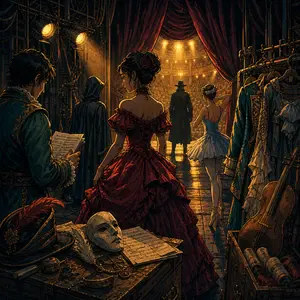
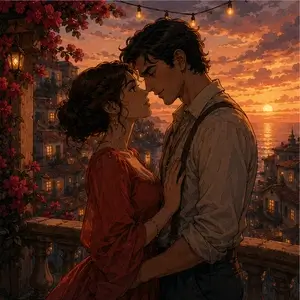
Why romance tropes keep surviving every trend
Romance tropes endure because they are not cliches by default. They are structures. A trope tells the reader what kind of emotional pressure they are about to watch and what kind of payoff might satisfy that pressure. Fake dating promises public performance turning into private truth. Enemies to lovers promises attraction sharpened by conflict and forced reconsideration. Friends to lovers promises familiarity becoming risk. A second-chance setup brings history onto the page before the first scene ends, while a forced-proximity setup removes escape and turns every practical choice into emotional exposure. None of these shapes write the story for you, but each one gives you a dramatic engine. The strongest trope work happens when you understand the promise behind the label. Readers do not return to tropes because they want the same sentences. They return because they enjoy the rhythm of recognition followed by surprise. A good prompt gives them the rhythm. A good writer supplies the surprise.
How to choose the right trope for your story
Pick the pressure, not the label
Start by asking what kind of heat you want. If you want the couple stuck in public performance, fake dating or marriage of convenience can do that elegantly. If you want sharp conflict and earned admiration, enemies to lovers or rival partnerships may fit better. If you want tenderness with fear of ruining something precious, friends to lovers and slow burn are usually stronger choices. Tropes are useful because they tell you where the pressure is coming from, not because they give you decoration.
Match the trope to the character wound
A trope lands harder when it exposes the exact vulnerability your leads are trying to hide. A person afraid of public failure behaves differently inside a fake relationship than a person afraid of abandonment. A fiercely loyal character will experience forbidden romance differently from someone who already expects betrayal. If the trope does not touch a wound, it becomes wallpaper. If it does, even a familiar beat feels personal.
Plan the signature beat early
Every trope has moments readers expect in some form. Fake dating wants the staged touch that suddenly stops feeling staged. Enemies to lovers wants the first scene where respect breaks through contempt. Friends to lovers wants the realization that ordinary intimacy already looked like devotion. Forced proximity wants a moment where practical closeness becomes impossible to ignore. Think about those beats early, then build your scenes so the payoff feels inevitable rather than inserted.
What romance tropes reveal about identity
At their best, tropes are not just plot mechanics. They reveal how your characters think they must behave to be loved. A fake relationship can expose shame about visibility, family pressure, or fear of being chosen only conditionally. A forbidden romance often reveals loyalty, class anxiety, doctrine, or the cost of belonging to a group. A marriage of convenience tests whether security can become tenderness. Secret-identity romance asks whether someone can be loved once their most guarded self is known. Slow burn stories reveal how people build trust in increments instead of grand gestures. The trope is the container. Identity is the content. That is why the same label can produce a fluffy rom-com, an aching historical, a paranormal obsession story, or a quiet small-town novel. The deeper question is never simply which trope you picked. It is what that trope makes your characters admit about themselves.
Tips for writers
- Give the trope a concrete setting with consequences: a campaign bus, a wedding weekend, a treaty trip, one apartment, one courtroom, one winter town.
- Write down the emotional promise of the trope in one sentence before drafting. That line will keep the story from drifting into generic chemistry.
- Make the external pressure matter on its own. If the fake relationship, rivalry, or social barrier disappears, the plot should lose real stakes.
- Let the trope beat arrive through character choice. Readers want the expected emotional turn, but they want it to feel earned by these particular people.
- Vary tone inside the trope. Humor, softness, embarrassment, jealousy, grief, and competence can all live inside the same romance structure.
Inspiration prompts
Before you draft, decide which emotional bargain the trope is making and what would count as an earned ending for these leads.
- What private fear does this trope force into a public or intimate setting?
- Which signature beat will make your couple realize the story has changed?
- Who benefits if the romance fails, and how do they keep pressing that wound?
- What ordinary action becomes loaded once the trope starts working?
- What truth must be spoken before the trope can deliver its promised payoff?
Frequently Asked Questions
Explore the most common questions about the Romance Trope Prompt Generator and how it can help you build more focused, emotionally satisfying love stories.
How does the Romance Trope Prompt Generator work?
It returns premise-level romance setups built around recognizable trope pressure, such as rivalry, fake dating, forced proximity, second chances, or forbidden attraction, so you can begin with conflict and chemistry already in motion.
Can I use the prompts for different romance subgenres?
Yes. The same trope prompt can be tilted toward contemporary romance, fantasy, paranormal, historical fiction, fanfiction, romantic suspense, or a rom-com by changing the setting, stakes, and tone.
Are the prompts broad enough for more than one story?
They are designed to spark many directions. Each prompt names a relationship engine, a conflict source, and a likely emotional beat, but leaves enough room for your own world, cast, and ending.
How many romance trope prompts can I generate?
You can keep generating as long as you need. That makes the tool useful for brainstorming, outlining, trope remixing, or rescuing a draft that has chemistry but no dramatic frame yet.
How should I save the prompt that works best?
Copy the result, then note the trope, the pressure source, the signature beat, and the emotional payoff you want. Those four notes usually give you the skeleton of a stronger romance outline.
What are good romance trope prompts?
There's thousands of random romance trope prompts in this generator. Here are some samples to start:
- A florist fake-dates a divorce lawyer to survive one brutally observant wedding weekend.
- Locked inside an archive vault, two historians must admit which ancestor started the feud.
- A wedding planner has loved her best friend for years and finally books one room.
- A blizzard strands a divorce mediator with the wedding singer she just fired.
- A widow returns home for one summer and finds her first love running the ferry.
- A crown princess falls for her bodyguard and risks the treaty that keeps war paused.
- A marriage contract between rivals buys peace and accidentally creates a real courtship.
- A masked vigilante keeps falling for the reporter investigating his every midnight mistake.
- A witch and vampire fake indifference while the soulmate mark keeps glowing hotter.
- A coffee shop owner and bookstore manager build a slow burn over six ruined mornings.
About the creator
All idea generators and writing tools on The Story Shack are carefully crafted by storyteller and developer Martin Hooijmans. During the day I work on tech solutions. In my free hours I love diving into stories, be it reading, writing, gaming, roleplaying, you name it, I probably enjoy it. The Story Shack is my way of giving back to the global storytelling community. It's a huge creative outlet where I love bringing my ideas to life. Thanks for coming by, and if you enjoyed this tool, make sure you check out a few more!
Embed on your website
To embed this idea generator on your website, copy and paste the following code where you want the widget to appear:
<div id="story-shack-widget"></div>
<script src="https://widget.thestoryshack.com/embed.js"></script>
<script>
  new StoryShackWidget('#story-shack-widget', {
    generatorId: 'romance-trope-prompt-generator',
    generatorName: 'Romance Trope Prompt Generator',
    generatorUrl: 'https://thestoryshack.com/tools/romance-trope-prompt-generator/',
    language: 'en'
  });
</script>