
 Saved ideas
 Explore Story Shack
More generators, writing tools and storytelling resources.
Explore more from Romance
- Friends-to-lovers beats
- Breakup texts
- Asexual romance ideas
- Fake dating prompts
- Valentine messages
- Romance trope prompts
- Long Distance Romance
- Fake dating tropes
- Demisexual Romance Briefs
- Wlw Meet Cute Brief
- Sapphic romance prompts
- Meet Cute
- Marriage Of Convenience Trope Generator
- Arranged Marriage Prompt Generator
- Bonded Pair Names
- Slow burn romance prompts
- Bi awakening stories
- Fourth Wing dragons
- BookTok Heroine Brief
- Forbidden Romance Prompt
- BookTok Hero Brief
- Polyamory Story
- Meet-cute prompts
- Workplace romance prompts
- Fated Mates Prompt Generator
- Enemies-to-lovers prompts
Discover even more random name generators
Explore all Writing
Skip list of categories



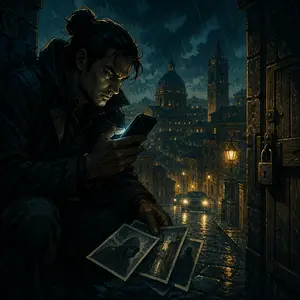


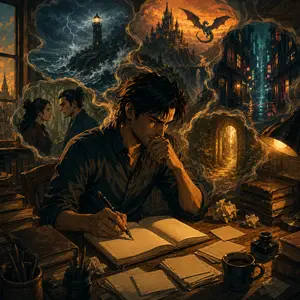
The Power of Confined Spaces in Storytelling
Forced proximity has driven some of literature and film's most memorable moments. When characters cannot escape each other, every glance carries weight, every silence speaks volumes, and every shared necessity becomes a potential turning point. The trope works because it mirrors real human experience. We have all been trapped in cars with people we argued with, stuck at airports with ex-partners, or confined to small spaces with rivals. These scenarios strip away social pretense and force authentic interaction.
Picking the Right Setup for Your Story
Selecting an appropriate forced proximity scenario depends on your narrative goals. Different confinement types create different emotional temperatures.
Physical Confinement
Elevators, locked rooms, and trapped vehicles provide immediate pressure. These scenarios work best for stories needing rapid escalation. The inability to leave means characters must address their conflicts directly. Consider how long your characters can realistically survive in the space. A broken elevator works for hours. A snowbound cabin allows days of developing tension.
Environmental Traps
Natural disasters, weather events, and structural failures add external stakes beyond the interpersonal conflict. A blizzard or flood forces characters together while threatening their survival. These scenarios let you layer physical danger atop emotional confrontation, creating multidimensional tension that keeps readers engaged.
Situational Lockdowns
Quarantines, security protocols, and witness protection situations create institutional barriers to escape. These setups work well for stories involving professional stakes, legal consequences, or systemic conflicts. The proximity feels imposed by larger forces, adding themes of powerlessness and institutional control.
Building Character Dynamics
The best forced proximity scenarios pair characters with genuine reasons to avoid each other. Consider these relationship dynamics:
Rivals and competitors bring existing tension into the confined space. Their history of conflict provides immediate friction. The confinement forces them to see each other as humans rather than obstacles.
Former intimates carry emotional baggage that confined spaces amplify. Ex-partners, estranged family members, and former friends have unresolved issues that demand attention when escape becomes impossible.
Strangers with secrets create mystery alongside tension. Neither character knows what the other hides, building suspense as they navigate forced closeness while guarding dangerous truths.
Professional antagonists layer power dynamics into the confinement. Boss and subordinate, lawyer and client, officer and prisoner. These pairings bring hierarchical tensions that complicate simple survival.
Practical Writing Tips
Maximize your forced proximity scenes with these techniques:
- Vary the timeline. Some scenarios last hours, others weeks. Match duration to your narrative needs.
- Use sensory details. Confined spaces have distinct smells, sounds, and temperatures. Make the environment felt.
- Create shared necessities. Characters forced to share food, warmth, or medical supplies must cooperate despite conflict.
- Plan the resolution. Know how your characters escape before they do. The release should feel earned.
- Consider the aftermath. Forced proximity changes relationships permanently. Show how characters differ after escape.
Inspiration Prompts
Adapt these starting points for your own stories:
- Two surgeons trapped in an operating theater during a hospital lockdown, one having testified against the other in a malpractice suit.
- A travel blogger stranded at a one-starred resort with the owner who lost everything because of their review.
- Estranged siblings forced to catalog their grandmother's estate while trapped by a structural collapse.
- A politician and opposition researcher sharing a bunker during a security breach.
- Former romantic partners handcuffed together as witnesses in a federal trial.
Frequently Asked Questions
What makes forced proximity such an effective storytelling device?
Forced proximity accelerates character development by removing escape options. When characters cannot avoid each other, they must address conflicts, reveal vulnerabilities, and form alliances they might otherwise resist. The pressure cooker environment produces authentic emotional reactions and reveals true character under stress.
How long should a forced proximity scenario last in my story?
Duration depends on your narrative goals. Brief confinements of hours work for intense confrontations and single-chapter scenes. Extended confinements of days or weeks allow for evolving relationships, power shifts, and genuine connection development. Match the timeline to the emotional transformation you want your characters to experience.
What types of relationships work best for forced proximity?
Any relationship with unresolved tension benefits from forced proximity. Rivals, former romantic partners, estranged family members, professional adversaries, and strangers with hidden connections all provide rich dramatic material. The key is ensuring both characters have legitimate reasons to avoid each other before the confinement begins.
How do I avoid clichés when writing forced proximity?
Fresh forced proximity comes from specific, detailed scenarios rather than generic setups. Instead of simply trapping characters in an elevator, specify which elevator in which building under what circumstances. Add complications beyond the confinement itself. Create unique character histories that inform how they handle the situation. The more specific your scenario, the less clichéd it feels.
Can forced proximity work in genres beyond romance?
Absolutely. Forced proximity drives tension in thrillers, horror, science fiction, and literary fiction. Horror uses it for survival terror. Thrillers use it for interrogation and revelation. Science fiction explores isolation and psychological stress through confinement. Any genre dealing with human relationships can employ forced proximity effectively.
What are good Forced Proximity Generator?
There's thousands of random Forced Proximity Generator in this generator. Here are some samples to start:
- One bed. Two enemies. A blizzard outside.
- You're stuck in an elevator with someone you never wanted to see again.
- The blizzard cancels all flights, stranding you in a remote cabin with the person you least want to see.
- A diplomatic immunity crisis forces you to share quarters with the attaché whose actions caused your family's exile.
- Trapped in an elevator. With your ex. For six hours.
- A Valentine's Day restaurant lockdown traps you in the kitchen with the date who ghosted you.
- You're a travel blogger who one-starred a remote eco-resort, and now a landslide has trapped you there for two weeks with the owner who spent their life savings building it, forcing you to confront the real impact of your reviews while sharing the only sustainable water source.
- The witness protection assignment places you with the handler who turns out to be the criminal you testified against.
- The quantum entanglement experiment malfunctions, binding your consciousness to your academic rival's body for 48 hours.
- Handcuffed together. Forty-eight hours. Zero escape.
About the creator
All idea generators and writing tools on The Story Shack are carefully crafted by storyteller and developer Martin Hooijmans. During the day I work on tech solutions. In my free hours I love diving into stories, be it reading, writing, gaming, roleplaying, you name it, I probably enjoy it. The Story Shack is my way of giving back to the global storytelling community. It's a huge creative outlet where I love bringing my ideas to life. Thanks for coming by, and if you enjoyed this tool, make sure you check out a few more!
Embed on your website
To embed this idea generator on your website, copy and paste the following code where you want the widget to appear:
<div id="story-shack-widget"></div>
<script src="https://widget.thestoryshack.com/embed.js"></script>
<script>
  new StoryShackWidget('#story-shack-widget', {
    generatorId: 'forced-proximity-trope-generator',
    generatorName: 'Forced Proximity Trope Generator',
    generatorUrl: 'https://thestoryshack.com/tools/forced-proximity-trope-generator/',
    language: 'en'
  });
</script>