
 Saved ideas
 Explore Story Shack
More generators, writing tools and storytelling resources.
Explore more from Travel
- Houseboat Generator
- Lake House brief
- Coworking retreat briefs
- Cattle Ranch Names
- Brewery Tours
- Cabin names
- Backpacker Hostel Names
- Japan itinerary ideas
- Vanlife builds
- Hotel names
- Glamping Site
- Spa names
- Casino names
- Ski Resort Vacation
- Wedding Venue Name
- Beach Bungalow Names
- Itinerary title ideas
- Resort names
- Italy itinerary ideas
- Honeymoon destinations
Discover even more random name generators
Explore all Place
Skip list of categories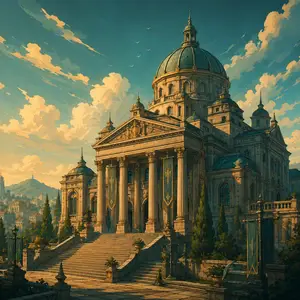



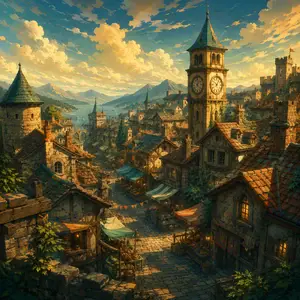
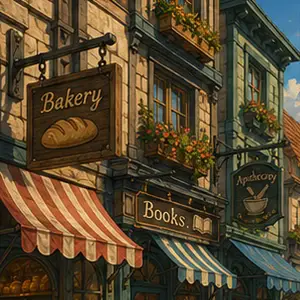
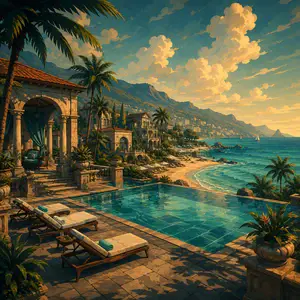


Why Boutique Hotel Names Carry So Much Mood
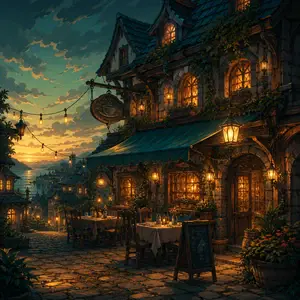
Ask any traveler who keeps a running list of places to return to, and they will tell you the name is the first thing they remember. A boutique hotel name is more than a label on a brass plaque beside a key box. It is a compressed impression of a doorway, a small lobby, a quiet bar, a courtyard, a concierge in a linen jacket, and a stair that turns back on itself. Names like The NoMad, Ace Hotel, Soho House, The Standard, Hotel Costes, The LINE, Aman, and The Carlyle work because each one leans on a single image, so the guest can picture the room before checking the rate. A good boutique hotel name lands the way a well-folded napkin lands on a small bistro table: a short, deliberate signal of what is about to happen next.
This generator is built around that tradition. Each result is a short, paste-ready name that could sit on a brass plate, a website masthead, or a luggage tag, without losing the character that makes a small hotel worth visiting. The pool borrows from city-anchored townhouse hotels, design-led ateliers, signature-cocktail lobbies, intimate room-count inns, celebrity-legend suites, architectural landmarks, specialist-clientele retreats, hidden-corner snugs, signature-service properties, and historic carriage houses. A real boutique name carries a city, a mood, a wood, a stone, a glass, a quiet hour, a signature cocktail, a founding family, and a story in a single short line.
How the Lenses Shape Each Name
The pool is organized into twenty topical lenses that read the way a real hotel brand reads. A city lens opens with a neighborhood, a pier, an old town, or a quay, the way townhouse hotels always anchor themselves in a place. A design-theme lens leans on the language of design-led hotels, with references to brass, velvet, plaster, linen, the soft modernist, the wabi quiet, and the drawing room. A signature-cocktail lens borrows the lobby bar, with the negroni, the gimlet, the sidecar, the boulevardier, the old fashioned, the martini, the paloma, the rickey, the daiquiri, and the pressed sage.
Other lenses reach into the property itself. A room-count lens offers small hotels numbered the way real small hotels name themselves, with five arches, eight bells, twelve keys, fourteen lanterns, sixteen suites, twenty-two rooms, twenty-five keys, and forty-six keys. A celebrity-legend lens borrows the literary and cinematic echoes that boutique hotels love, from Garbo, Piaf, Modigliani, and Hemingway through Sinatra, Capote, Colette, Picasso, and Rilke to Björk, Billie, Bowie, Chaplin, Cocteau, García Lorca, Fitzgerald, Nabokov, and Coco. An architectural-signature lens names the building itself, with the vaulted cellar, the glass atrium, the cast-iron mezzanine, the carved cornice, the trellis court, the loggia and cypress, the spire suite, the cortile house, the tiled façade, the lantern cupola, the wrought-iron veranda, the sandstone quoins, the tracery window, the stepped gable, the oak-beamed hall, the quiet minaret, the bell-cote, the plinth stair, the stone chimney, the belfry, and the tiled vestibule.
A primary-clientele lens names the regulars, with the sommelier, the wandering editor, the painter, the cartographer, the travelling curator, the cellist, the night journalist, the composer, the milliner, the apothecary, the luthier, the diplomat, the lighthouse keeper, the pastry chef, the visiting botanist, the watchmaker, the antiquarian, the perfumer, the bibliophile, the costumier, the astronomer, the set designer, and the visiting linguist. A landmark-feature lens borrows the views and surroundings, with the old lighthouse, the stone fountain court, the walled garden, the clifftop veranda, the mooring bell, the windmill house, the bronze statue suite, the old carob tree, the piazza cypress, the old stone bridge, the grotto suite, the carob grove, the glasshouse, the rooftop beehive, the apricot orchard, the old olive press, the carved lion door, the hanging garden, the old customs crane, the bronze plaque suite, the bell tower, the lagoon, and the carved stair veranda.
A daily-traffic lens borrows the rhythm of arrival and departure, with the early espresso hour, the late lunch, the quiet check-in, the noon bell, the last coffee, the afternoon repose, the late breakfast, the quiet concierge, the six o'clock tea, the quiet turndown, the slow lunch, the quiet porter, the late arrival, the morning pastry hour, the quiet departure, the five o'clock hour, the porter's desk, the slow evening, the quiet room service, the early bell, the late room service, and the quiet hour. A seasonal-atmosphere lens borrows the calendar of a small property, with the first frost, the long apricot dusk, the quiet monsoon, the lavender heat, the long cedar snow, the quiet autumn, the long cypress sun, the quiet olive harvest, the quiet apricot bloom, the long citrus wind, the quiet spring, the long pine cold, the quiet plum bloom, the long stone autumn, the quiet summer, the long vine snow, the quiet poppy field, the long salt wind, the quiet winter, the long stone frost, the quiet fig harvest, the long lantern night, and the quiet year.
A founder-backstory lens names the family or the founding figure, with the apothecary's daughter, the couture widow, the watchmaker's son, the cellist, the importer, the restaurateur, the distiller, the painter, the glassmaker, the tinker, the sailmaker, the vintner, the bookbinder, the gardener, the furrier, the architect, the tailor, the engraver, the innkeeper, the chocolatier, and the haberdasher. A local-rivalry lens borrows the quiet gossip of a neighborhood, with the house across the lane, the quiet antipode, the house without a sign, the house above the bakery, the house behind the cypress, the house that closed, the house at the corner, the house above the old café, the house with the green door, the house that outlasted, the house with the blue tile, the house below the fort, and the house with no menu.
A soundscape lens borrows the music of a small property, with the soft upright, the quiet grand piano, the harpsichord, the quiet cello, the hammered dulcimer, the quiet vinyl, the music box, the quiet mandolin, the plucked strings, the quiet French horn, the carillon, the quiet viol, the soft tabla, the quiet lute, the slow koto, the quiet pan flute, the soft accordion, the quiet flugelhorn, the slow viola, the quiet hurdy-gurdy, the soft saxophone, the quiet glockenspiel, and the soft harp. A surface-palette lens borrows the materials and colors, with the terracotta suite, the linen and plaster, the quiet pewter, the bone and linen, the brasserie tile, the carved wood and stone, the quiet verdigris, the soft ochre, the quiet saffron, the indigo and plaster, the quiet cinnabar, the smoked glass and oak, the pewter and linen, the salt glaze, the quiet lapis, the carved marble and oak, the quiet coral stone, the carved walnut and brass, the quiet ash and linen, the tumbled marble, the quiet patina, the carved stone and linen, and the quiet cobalt.
A photo-worthy-detail lens borrows the small objects and corners a guest photographs, with the velvet stair, the wisteria arbour, the carved stairwell, the quiet mirror hall, the old brass mailbox, the tiled veranda, the old bicycle, the quiet wrought iron, the carved stone urn, the quiet cypress walk, the old lantern, the quiet apricot tree, the carved stone lion, the quiet balcony view, the old plaque, the quiet wisteria stair, the carved stone fountain, the quiet vase hall, the old iron gate, the quiet tiled stair, the carved stone bench, the quiet brass lamp, and the old stone birdbath. A transport-access lens borrows the way guests arrive, with the last tram, the old carriage house, the canal pier, the quiet gondola pier, the old cable car, the quiet ferry pier, the old bicycle path, the quiet railway inn, the old stagecoach, the quiet tunnel door, the old funicular, the quiet river pier, the old cobble lane, the quiet drawbridge, the old pier lantern, the quiet traghetto, the old post road, the quiet carriage court, the old coal pier, the quiet slipway, the old customs pier, the quiet lockside, and the old towpath.
A nighttime-identity lens borrows the mood after dark, with the velvet midnight, the indigo hour, the quiet candlelight, the late velvet suite, the quiet lamp glow, the late brass suite, the quiet mirror night, the late indigo suite, the quiet wax hour, the late smoke suite, the quiet velvet night, the late library night, the quiet lantern walk, the late carriage hour, the quiet velvet bar, the late velvet hour, the quiet brass night, the late plush hour, the quiet velvet veranda, the late brass hour, the quiet indigo suite, the late velvet room, and the quiet brass library. A hidden-corner lens borrows the tucked-away rooms and snugs, with the velvet booth, the quiet reading nook, the stone niche, the hidden mirror booth, the quiet card room, the quiet snug, the quiet velvet library, the quiet green room, the quiet smoking alcove, the quiet velvet cellar, the quiet cabinet room, the quiet velvet pantry, the quiet cedar closet, the quiet velvet vestibule, the quiet stone pantry, the quiet velvet cupboard, the quiet cedar alcove, the quiet velvet boudoir, the quiet stone snug, the quiet velvet parlor, the quiet cedar niche, the quiet velvet cellar bar, and the quiet stone closet.
A service-ware-specialty lens borrows the objects of the room and the table, with the linen press room, the quiet silver tray, the quiet crystal glass, the carved silver hall, the quiet china service, the carved glass hall, the quiet porcelain, the carved copper hall, the quiet pewter service, the carved oak tray hall, the quiet bone china, the carved pewter hall, the quiet cut crystal, the carved walnut board hall, the quiet silver salver, the carved tortoiseshell hall, the quiet lace linen, the carved silver salver hall, the quiet cut glass, the carved bronze salver hall, the quiet damask linen, the carved marble tray hall, and the quiet engraved silver. A historic-origin lens borrows the previous life of the building, with the old post house, the customs lodge, the old stationer's loft, the old salt wharf, the old salt house, the quiet press house, the old counting house, the quiet salt loft, the old carriage inn, the quiet warehouse inn, the old scribe's house, the quiet merchants' inn, the old garrison inn, the quiet press loft, the old granary, the quiet lighthouse inn, the old parsonage, the quiet tide mill, the old tax office, the quiet customs wharf, the old stage inn, the quiet corn exchange, the old press hall, the quiet harbour office, the old scribe's loft, and the old merchants' row.
Picking and Using a Boutique Hotel Name
Begin with the city or the place. A boutique hotel almost always opens with a neighborhood, a lane, a pier, a tower, or a courtyard, so starting with a city lens is the simplest way to anchor a name. If the hotel lives in a real city, the city lens keeps the name believable. If the hotel lives in a fictional town, the same lens gives the place the feel of a real address. A design-theme or signature-cocktail lens works well when the property has a clear concept, because it lets the name carry the design idea without spelling it out.
Once the city or the design idea is set, layer a second lens on top. A room-count lens adds a numerical signature, the way many real boutique hotels name themselves by their key count. A celebrity-legend lens adds a literary or cinematic echo, the way small hotels often borrow the names of writers and actors who stayed. A landmark-feature lens adds a single visible object, the way real boutique hotels name themselves after a tower, a garden, a fountain, a bell, a stair, or a courtyard. Combining two lenses keeps the name short while making it feel layered.
For a novel chapter or a short story, a hidden-corner, a nighttime-identity, a daily-traffic, or a seasonal-atmosphere lens gives the hotel a mood the prose can lean on. For a screenplay or a film treatment, a celebrity-legend, a landmark-feature, or a transport-access lens gives the property a visual a location scout can sketch. For a travel magazine feature or a brand brief, a primary-clientele, a service-ware, a surface-palette, or a soundscape lens gives the property a craft vocabulary that reads as insider. For a board game or a tabletop RPG, a room-count, a transport-access, a hidden-corner, or a historic-origin lens gives the property a tile that fits a hex map.
Read the result aloud before settling on it. A boutique hotel name is something a concierge says on the phone, something a guest types into a mapping app, and something a journalist writes in a caption. If the rhythm lands the way a real hotel name lands, with a definite article, a place, a designer name, or a material, the name will feel at home on a brass plate. If the rhythm is off, regenerate and try another lens pair. A good boutique hotel name should feel like it has been there for a hundred years even when it was just invented.
Identity and Cultural Weight in Boutique Hotel Names
Boutique hotel names are quietly loaded. A designer name, a celebrity name, a city, a country, or a religious title in a hotel name carries meaning, sometimes more than the original generator might intend. When you settle on a result, read it once for what it sounds like, once for what it could be misread as, and once for what it might mean in the languages of the guests the hotel is most likely to welcome. If the result uses a surname, a faith term, a city, or a country that does not belong to the property, regenerate, swap a lens, or change the words until the name sits inside the story the hotel wants to tell.
Use surnames of real public figures with care. A small hotel can borrow a literary echo, but it should not pretend to be the home of a living artist, a working writer, or a current politician. Use historical figures, fictional characters, or invented surnames, the way real boutique hotels do, and the result will sit more easily on a website. The same caution applies to religious or honorific titles. A small property can use the words guesthouse, manor, residence, house, atelier, or lodge freely, but it should be careful with words that imply a state, a religion, a royal house, or a working embassy.
Tips for a Strong Boutique Hotel Name
- Anchor the name in one image. A city, a designer, a count, a cocktail, a landmark, or a mood is enough.
- Keep it short. Two to four words is the boutique sweet spot. Anything longer starts to read like a description.
- Use a definite article when it helps. "The X" reads as a real boutique hotel in a way a bare noun rarely does.
- Avoid stuffing multiple ideas into one name. A name that tries to carry a city, a count, a cocktail, and a season in four words will read as a slogan, not a property.
- Test the name against a real address. If the name would not sit on a brass plaque beside a small front door, regenerate.
- Read the name in the language of the hotel's main guest. A name that works in English, French, Italian, Spanish, Portuguese, or Japanese without losing its shape is a name that travels.
- Keep a short list. Two or three results, side by side, are usually enough to settle on the one that will sit on the website for the next decade.
Inspiration Prompts for Using a Boutique Hotel Name
- Use a city-anchored result as the name of a townhouse hotel in a novel chapter, then borrow a founder-backstory lens to name the owner.
- Pair a signature-cocktail result with a hidden-corner result to name a small property and the snug where the regulars drink.
- Use a room-count result for a literal boutique hotel, then borrow a celebrity-legend lens to name the suite the press always photographs.
- Combine a landmark-feature result with a transport-access result to anchor a hotel in a city, with a tram, a pier, or a towpath the guest can picture.
- Borrow a soundscape result for the soundtrack of the lobby, then borrow a surface-palette result for the materials the designer used in the renovation.
- Use a daily-traffic result for the rhythm of a hotel in a screenplay, with the early espresso and the late turndown doing the scene work.
- Take a seasonal-atmosphere result and let it set the month the first guest walks in, whether that month is the first frost, the long apricot dusk, or the lavender heat.
- Pair a local-rivalry result with a founder-backstory result to sketch a hotel that sits above an old cafe and was opened by a quiet apothecary's daughter.
- Borrow a photo-worthy-detail result for the prop the location scout places on the front table when the camera rolls.
- Use a historic-origin result to set the previous life of the building, then borrow an architectural-signature result to set the visible feature that survived the conversion.
How does the Boutique Hotel Generator work?
The generator draws from a curated pool of boutique hotel names organized by topical lenses, including city anchors, design themes, signature cocktails, room counts, celebrity legends, architectural features, and hidden corners. Each click returns a short, paste-ready name, and you can reroll as often as you like until the result fits the property, the chapter, or the brand you are sketching.
Can I steer the Boutique Hotel Generator toward a specific name angle?
Yes. Re-roll until an angle fits, then combine two or three results from different lenses to layer a city, a designer, a count, a cocktail, a landmark, or a mood into a single short name. Treat each result as a building block rather than a final answer, and the pool will yield a property name that feels authored rather than assembled.
Are the names original and safe to use?
Every name in the pool is written for this generator and is free to use in personal projects, fiction, brand sketches, and most commercial contexts. As with any creative pool, do a quick trademark search in your target market before you commit a result to a paying sign, and avoid surnames of living public figures if your hotel is not connected to them.
How many names can I generate?
You can reroll the generator freely. Keep rolling until the rhythm of the name lands, or stop after the first result that reads like a real boutique hotel to you. The pool is large enough to support a long naming session, and you can always return for more when the next project is ready.
How do I save the names I like?
Use the click-to-copy control to put the result on your clipboard, then paste it into a notes file, a brand brief, or a chapter draft. The heart or save icon lets you keep a result on the page while you keep generating, which is the easiest way to compare two or three finalists before settling on the one that will sit on the website for years to come.
What are good Boutique Hotel Generator?
There's thousands of random Boutique Hotel Generator in this generator. Here are some samples to start:
- Hotel Marseille
- The Brass Atelier
- The Negroni Hour
- Hotel Twelve Keys
- The Garbo Suite
- The Atrium Vault
- The Connoisseur
- The Belltower Inn
- The Slow Morning
- House of First Snow
About the creator
All idea generators and writing tools on The Story Shack are carefully crafted by storyteller and developer Martin Hooijmans. During the day I work on tech solutions. In my free hours I love diving into stories, be it reading, writing, gaming, roleplaying, you name it, I probably enjoy it. The Story Shack is my way of giving back to the global storytelling community. It's a huge creative outlet where I love bringing my ideas to life. Thanks for coming by, and if you enjoyed this tool, make sure you check out a few more!
Embed on your website
To embed this idea generator on your website, copy and paste the following code where you want the widget to appear:
<div id="story-shack-widget"></div>
<script src="https://widget.thestoryshack.com/embed.js"></script>
<script>
  new StoryShackWidget('#story-shack-widget', {
    generatorId: 'boutique-hotel-name-generator',
    generatorName: 'Boutique Hotel Generator',
    generatorUrl: 'https://thestoryshack.com/tools/boutique-hotel-name-generator/',
    language: 'en'
  });
</script>