

前の結果を見る (<% accordionPreviousResults.length %>)
コピーしました!
Story Shackを探索
さらに多くのジェネレーター、執筆ツール、物語づくりのリソース。
をもっと探索する ロマンス
- 友達から恋人 展開
- 別れ話の文面
- Bonded Pair名前
- Meet Cute
- バレンタインメッセージ
- 偽装恋愛の案
- 政略結婚プロンプトジェネレーター
- バイ覚醒ストーリー
- フェイトメイツ・プロンプトジェネレーター
- Fourth Wingのドラゴン
- Wlw Meet Cuteブリーフ
- ミートキュート案
- デミセクシュアル・ロマンスのブリーフ
- 強制接近ジェネレータ
- Marriage of Convenience Trope Generator
- 禁断のロマンス プロンプト
- サフィックロマンス案
- ポリアマリーストーリー
- BookTokヒーローブリーフ
- 敵対ロマンス案
- スローバーン恋愛プロンプト
- BookTokヒロインブリーフ
- ロマンストロープ案
- アセクシャル・ロマンスのアイデア
- 職場恋愛のプロンプト
- Long Distance Romance
さらに多くのランダム名前ジェネレーターを発見
すべてのライティングを探索
Skip list of categories















Origins and Evolution of Fake Dating
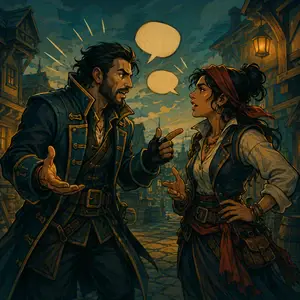
The fake dating trope has deep roots in romantic storytelling, from classic literature to contemporary novels. At its core, fake dating works because it creates cognitive and emotional dissonance: characters must perform intimacy while managing actual feelings. This tension between performance and reality generates endless conflict, humor, and eventual authenticity. Writers love this trope because it provides a legitimate reason for forced proximity and intimate moments that might otherwise feel rushed or unearned. The beauty of fake dating lies in its universality: whether it's a high school dance alibi, a workplace ruse to deflect romantic interest, or an elaborate celebrity PR strategy, the mechanics remain consistently compelling. Readers engage with the delicious irony of watching two people lie to the world while unknowingly telling the truth to themselves.
Picking Your Fake Dating Framework
Before diving into your story, identify the cover story's purpose. Different contexts demand different approaches and create distinct emotional landscapes. The framework you choose will shape your characters' stakes, the pressure points that emerge, and how external forces complicate their pretense.
Cover Story Contexts
The most effective fake dating scenarios root themselves in credible motivations. A character might need a date for a family gathering to appease well-meaning relatives, create a shield against an ex's persistence, or convince someone they're moving on. In workplace settings, fake dating deflects awkward questions about relationship status, navigates office politics, or establishes boundaries with problematic colleagues. Celebrities use it to control their public image, distract from scandals, or manage paparazzi frenzy. Fantasy worlds introduce additional layers: court intrigue where alliances matter, political marriages to prevent war, or magical bonds that require deception about their true nature. The best frameworks tie the cover story to character motivations so deeply that dismantling the lie threatens more than just romance.
Pressure Cooker Dynamics
Fake dating accelerates intimacy through enforced proximity and social obligation. Public displays of affection create muscle memory for genuine affection. Sleeping arrangements at family trips, coordinating stories, defending each other from skeptics: these moments compound. Each lie told together builds complicity. The pressure intensifies when real feelings emerge but the original cover story remains in place. Who admits they're falling first? How do they navigate physical attraction while maintaining the pretense? What happens when they're almost caught by someone who matters? This psychological pressure cooker is where fake dating transcends the initial conceit and becomes a genuine exploration of vulnerability, trust, and the masks we wear in different contexts.
Identity and Social Performance
Fake dating reveals truths about identity and social performance. Characters often discover that their fake version, the person they pretend to be with their co-conspirator, isn't actually fake at all. It's an authentic expression they've been suppressing in their real life. This dual identity creates rich psychological territory. In workplace settings, characters might perform as more confident, decisive, or emotionally open than they believe themselves to be. With family members, they might never have felt permission to prioritize their own romantic preferences. Celebrity fake dating interrogates authenticity itself: who is the real version? The carefully curated public image or the vulnerable person behind closed doors? Fantasy settings amplify this by adding literal masks, glamours, and court personas. As the pretense deepens, characters face the terrifying question: if they're falling for someone while performing a role, what are they actually feeling?
Tips for Writers
- Create credible stakes for the lie: the cover story must feel like a genuine problem requiring this elaborate solution, not a flimsy excuse.
- Track the accumulation of intimacy: map scenes that normalize physical closeness or emotional vulnerability, building tension as real feelings emerge beneath the pretense.
- Introduce complications that separate the characters: forced separation tests whether feelings survive outside the pressure cooker of the original context.
- Use third-party perspective to heighten irony: secondary characters believe the lie, making the protagonists' secret more delicious and the eventual truth more explosive.
- Plant clues that the other person might know or suspect: ambiguity about whether one character has genuine feelings before the agreement complicates motivation and adds layers to dialogue.
- Subvert expectations about who confesses first: consider having the emotionally guarded character be the one ready to commit to something real.
Inspiration Prompts
Use these prompts to generate specific fake dating scenarios for your story. Each prompt highlights different emotional and plot dimensions of the trope.
- A perfectionist scientist agrees to fake-date their messy, spontaneous lab partner to convince their traditional family they're settling down before a career-changing opportunity. What happens when they discover their partner's chaos makes them feel alive?
- Two actors are cast opposite each other in a romantic film, and studios demand they present as a couple for press tours. Behind the scenes, they actively dislike each other. Do the staged intimacy and on-camera chemistry rewire their actual feelings?
- A grieving character agrees to fake-date their ex's new partner's sibling to deflect uncomfortable questions at a family reunion. Forced proximity and shared pain create unexpected connection.
- In a fantasy court, a politician fake-dates an enemy to prevent a war-threatening scandal. Court intrigue means everyone's watching, rumors escalate, and admitting real feelings could destabilize alliances.
- A cynical HR professional and a hopeless romantic get stranded together during a corporate retreat. They invent an elaborate fake-dating backstory to avoid awkward matchmaking attempts, and the lie becomes their only honest conversation.
- An immortal creature fake-dates a human to protect them from supernatural attention, but genuine connection threatens to reveal identities and complicate an already dangerous secret.
Frequently Asked Questions
Explore the most common questions about the Fake Dating Trope Generator and how it can help you shape sharper romance plots.
Why is fake dating such an effective romance engine?
Fake dating works because it creates enforced proximity, legitimate physical intimacy, and built-in conflict. Characters must navigate deception while experiencing genuine emotional and physical connection. This contradiction generates tension that sustains the narrative, making small moments feel significant and resolution feel earned. The trope gives writers permission to escalate intimacy quickly while maintaining credibility about why the characters haven't already acted on their feelings.
How do you make the fake dating premise feel believable?
Ground the cover story in real consequences for the character who initiates the lie. They must face genuine bad outcomes if the lie unravels: family disappointment, workplace complications, reputational damage, or political destabilization. Avoid scenarios where a simple conversation would resolve the problem. Make the cover story less risky than the truth and create compelling reasons why the character can't simply admit reality. This framework ensures readers engage with the premise as a credible choice rather than a plot convenience.
What's the difference between fake dating and other forced proximity tropes?
Fake dating explicitly involves deception and performance, adding psychological complexity beyond simple physical closeness. While snowed-in cabins or forced partnerships create proximity, fake dating adds the element of characters actively lying to their social context. This lie creates accountability between the characters: they're co-conspirators with shared secrets. The performance aspect means characters must actively present as romantic to external audiences, normalizing behaviors they might otherwise resist. This distinguishes fake dating from passive forced proximity scenarios.
How do you handle the moment when fake dating becomes real?
The transition from pretense to authenticity works best when it's gradual and complicated. Avoid having characters suddenly realize their feelings; instead, show them accumulating small moments of genuine connection beneath the performance. Build tension by having one character recognize real feelings while unsure if the other reciprocates or is still performing. Create scenes where characters must acknowledge the pretense has changed without destroying it. The most effective transitions occur when admitting real feelings feels more terrifying than the original lie, forcing characters to choose vulnerability over the safety of the agreed-upon deception.
Can fake dating work in different genres beyond contemporary romance?
Absolutely. Fake dating adapts brilliantly across genres. In fantasy, political alliances can mandate fake relationships that become genuine despite court intrigue. Science fiction explores how performance and identity shift in futuristic societies or among alien species. Historical fiction uses fake dating to navigate social constraints and family obligations of specific eras. Even mystery and thriller genres benefit from fake dating as a mechanism for placing characters in danger together or creating suspicious dynamics that complicate investigations. The core appeal, forced intimacy generating real emotion, remains universally compelling.
良い偽装交際トロープとは?
このジェネレーターには何千ものランダムな偽装交際トロープがあります。始めるためのサンプルをいくつか紹介します:
- Your ex's wedding demands you bring a plus-one immediately.
- Two dragon riders fake their engagement to prevent a border war between kingdoms.
- The promotion depends on impressing the client during this weekend retreat.
- A-list actor desperately needs a boyfriend to survive the awards campaign season.
- Your lab partner needs a date for the faculty holiday dinner.
- County fair events constantly pair you with the same volunteer.
- Witness in protective custody agrees to fake dating arrangement for believable cover story.
- The destination wedding requires them to share a villa suite.
- They fake-date to convince the landlord they're a stable couple.
- She needs a date for the debutante ball to secure her inheritance.
制作者について
The Story Shackにあるすべてのアイデアジェネレーターとライティングツールは、ストーリーテラーであり開発者でもあるMartin Hooijmansによって丁寧に作られています。昼間は技術的なソリューションに取り組んでいますが、自由な時間には物語に没頭するのが大好きです。読書、執筆、ゲーム、ロールプレイングなど、名前を挙げれば何でも楽しんでいます。The Story Shackは、世界中のストーリーテリングコミュニティに恩返しをするための私の方法です。ここは私のアイデアを形にするのが大好きな、巨大な創造のはけ口です。お越しいただきありがとうございます。このツールを気に入っていただけたら、ぜひ他のツールもいくつかチェックしてみてください!
あなたのウェブサイトに埋め込む
このアイデアジェネレーターをあなたのウェブサイトに埋め込むには、以下のコードをウィジェットを表示したい場所にコピーして貼り付けてください:
<div id="story-shack-widget"></div>
<script src="https://widget.thestoryshack.com/embed.js"></script>
<script>
  new StoryShackWidget('#story-shack-widget', {
    generatorId: 'fake-dating-trope-generator',
    generatorName: '偽装交際トロープジェネレーター',
    generatorUrl: 'https://thestoryshack.com/ja/tools/fake-dating-trope-generator/',
    language: 'ja'
  });
</script>