
 Saved ideas
 Explore Story Shack
More generators, writing tools and storytelling resources.
Explore more from Wellness
Discover even more random name generators
Explore all Writing
Skip list of categories











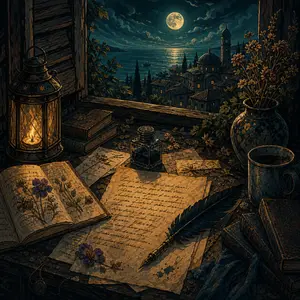






Why Self Care Sunday became its own ritual
Self Care Sunday works because it gives recovery a recognizable frame. It turns the loose, anxious edge of the weekend into something with sequence, permission, and tone. Instead of asking whether you should be productive, social, offline, domestic, or glamorous, the ritual says you can make a smaller promise: begin gently, feed yourself properly, reset one corner of life, and close the day in a way that makes Monday less hostile. The phrase also carries an internet-era history. It grew through beauty routines, bath photos, candles, skincare shelves, and brunch captions, but its real staying power comes from pacing. A believable Sunday plan always balances maintenance and comfort. There is usually one ritual for the body, one for the room, one for the mind, and one small pleasure that feels specific enough to remember, such as citrus toast, soup dumplings, or a rainy jazz playlist in a half-lit kitchen.
How to build a plan that matches your energy
Start with your actual battery level
Not every Sunday should look aspirational. Some Sundays are for clean sheets, one shower, and a sandwich eaten under a blanket. Others can hold errands, meal prep, long walks, friends, and a polished beauty routine. The key is to decide what kind of recovery you need before you decorate the day. If the week has been noisy, a plan with silence, low light, soft clothing, and easy food will feel more truthful than a hyper-curated routine packed with goals. If you feel restless, a better plan might include a market walk, one manageable organizing task, a stronger lunch, and music with more movement. Self-care becomes believable when it responds to reality instead of trend pressure.
Give the day anchors instead of a prison schedule
The strongest plans usually have three anchors. Morning decides the temperature of the day: coffee, tea, shower steam, stretching, fresh air, or an unhurried breakfast. Midday gives the Sunday its spine: reading, a walk, light chores, cooking, creative time, or a visit kept deliberately small. Evening matters most because it determines whether the day ends in calm or in last-minute dread. That is where the bath, skin care, soup, planner check-in, clean pajamas, and softer playlist come in. A signature snack or meal gives the plan personality. A soundtrack gives it continuity. Two different Sundays can both include journaling, but the one with miso broth and brushed jazz says something different from the one with brownies and cloudy indie folk.
Match the plan to the setting you actually live in
A dorm room Sunday does not have the same tools as a house with a bathtub, and a parent with two children will not use time the same way as someone living alone in a studio apartment. That does not weaken the ritual. It just changes the props. In a small apartment, self-care might mean opening the window, washing the duvet cover, making pantry pasta, and moving between desk, shower, and couch with intention. In a shared home, it may depend on boundaries: one quiet brunch, a closed bedroom door, headphones, and an early goodbye. In a rainy city, the plan might rotate around soup, laundry, warm socks, and music that makes the room feel fuller. In summer, the same generator can lean into balcony plants, market fruit, river walks, and iced coffee in a jar. The plan becomes useful when it fits the architecture and noise level of the life around it.
What a Sunday plan says about identity
Self-care routines signal taste, class, mood, and emotional strategy more than people admit. A Sunday plan built around deep cleaning, meal prep, and planner pages suggests control and preparedness. One built around baths, podcasts, pastries, and long naps suggests recovery through softness. A person who always includes a walk and fresh flowers is curating renewal through movement and atmosphere. A person who keeps the snack simple but insists on music is telling you sound regulates the day. For writers, that makes Sunday plans surprisingly sharp character material. They reveal what someone reaches for when nobody is watching. They show whether comfort is domestic, aesthetic, sensual, practical, spiritual, social, or stubbornly improvised from whatever is already in the kitchen.
Tips for writers, moodboard makers, and planners
- Use one snack and one playlist cue to make the routine feel lived-in instead of generic.
- Decide whether the Sunday is repairing burnout, celebrating solitude, preparing for Monday, or inviting one soft social moment.
- Keep the day believable for the setting: a dorm, a shared apartment, a city walk-up, a suburban house, or a rainy hostel room all produce different rituals.
- Pair one maintenance task with one comfort ritual so the plan has shape without reading like a chore list.
- Let weather, budget, and energy level change the plan. The most convincing Sundays adapt instead of pretending every week ends in luxury.
Inspiration prompts
Use these questions when you want the Sunday to feel like a real day with texture rather than a list of trendy objects. The best answers usually involve sound, light, appetite, and one practical task that quietly changes the mood of the room.
- What is the first action that tells the body the week has slowed down?
- Which meal or snack makes the plan feel specific to this person instead of interchangeable?
- Is the playlist trying to comfort, energize, romanticize, or gently sedate the day?
- What task gets finished so Monday feels less sharp at the edges?
- When the evening arrives, what detail proves the Sunday actually helped?
Frequently Asked Questions
Explore the most common questions about the Self Care Sunday Plan Generator and how it helps shape believable reset days.
How does the Self Care Sunday Plan Generator work?
It combines morning, midday, and evening rituals with a signature snack and playlist mood so each result feels like a complete Sunday rhythm rather than a random tip list.
Can I use it for different energy levels or living situations?
Yes. Keep generating until you find a plan that matches the day you need, whether that means deep rest, light cleaning, a solo apartment reset, a rainy indoor routine, or a low-key social Sunday.
Are the Sunday plans unique?
The generator is built for variety in pacing, food, atmosphere, and soundtrack cues. If you want to publish or brand a result, you should still tailor it to your own voice.
How many plans can I generate?
You can generate as many as you want while building character notes, wellness content, weekend moodboards, journal prompts, or your own next reset day.
How do I save the plans I like best?
Click a result to copy it quickly, then keep the strongest plans in your notes or save them so you can compare cozy, social, rainy, beauty-focused, and prep-heavy versions later.
What are good self-care Sunday plans?
There's thousands of random self-care Sunday plans in this generator. Here are some samples to start:
- Brew cinnamon coffee, change the sheets, read after lunch, and land on soft soul tonight.
- Stretch after dry brushing, steam your face, sip cucumber water, and land on airy neo-soul.
- Make ricotta toast, annotate poems, snack on oranges, and leave muted soul humming through dusk.
- Warm soup for the return home, rinse dusty ankles, eat toast, and finish with lake-soft piano.
- Claim the morning for housework, keep afternoon blank, snack on almonds, and drift with low blue jazz.
- Pull out the good bowls, cook congee, snack on oranges, and settle with lamplit folk-pop.
- Cook lentils until the room smells kind, snack on grapes, and end with wool-soft folk soul.
- Gather flowers for the table, keep the guest list tiny, eat ramen, and close with brushed jazz.
- Refill your candle jar with tea lights, paint your toes, eat soup dumplings, and close with soft soul.
- Finish by packing the bag, dimming the lamps, and looping a clear-minded soul mix.
About the creator
All idea generators and writing tools on The Story Shack are carefully crafted by storyteller and developer Martin Hooijmans. During the day I work on tech solutions. In my free hours I love diving into stories, be it reading, writing, gaming, roleplaying, you name it, I probably enjoy it. The Story Shack is my way of giving back to the global storytelling community. It's a huge creative outlet where I love bringing my ideas to life. Thanks for coming by, and if you enjoyed this tool, make sure you check out a few more!
Embed on your website
To embed this idea generator on your website, copy and paste the following code where you want the widget to appear:
<div id="story-shack-widget"></div>
<script src="https://widget.thestoryshack.com/embed.js"></script>
<script>
  new StoryShackWidget('#story-shack-widget', {
    generatorId: 'self-care-sunday-plan-generator',
    generatorName: 'Self Care Sunday Plan Generator',
    generatorUrl: 'https://thestoryshack.com/tools/self-care-sunday-plan-generator/',
    language: 'en'
  });
</script>