
 Saved ideas
 Explore Story Shack
More generators, writing tools and storytelling resources.
Explore more from Dark Academia
Discover even more random name generators
Explore all Writing
Skip list of categories





Why A Secret Society Brief Anchors A Dark Academia Story
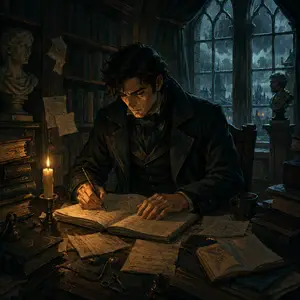
In dark academia, the secret society is the engine of the world. The narrator is a junior fellow, a transfer student, a junior editor at the alumni magazine, or a new adjunct who has just been handed a brass key to a room they have never been told about. From that first chapter on, every rumour, every locked door, every private recital points back to the same circle. A good society brief gives the writer a crest to draw, a drink to pour at the first meeting, a rite to set on the page during the initiation scene, an archive room to unlock in act two, and a death that the rest of the plot has to explain. The Dark Academia Society Name Generator ships those five ingredients on every card so a chapter can be drafted in an evening instead of a week.
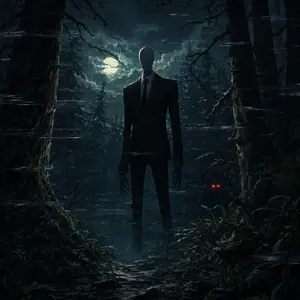
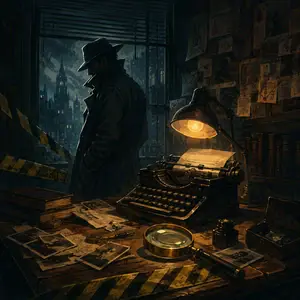
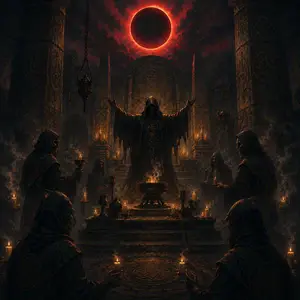
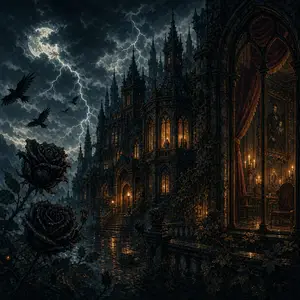
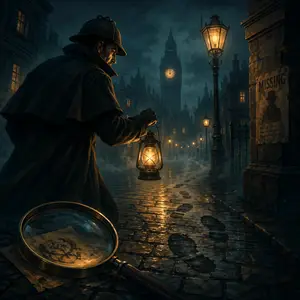
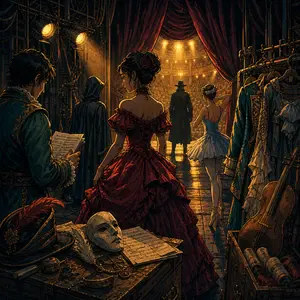
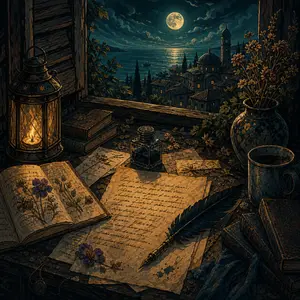
The pool is curated for the rhythms of the aesthetic. Each brief leans on a slice of dark-academia life: a folio that should never have been re-bound, a sealed case file on a missing tutor, a long lens of a lantern-lit lecture ritual, an empty medicine cabinet in a sanatorium wing, a pulp-horror altar society that still meets in the back room of a faculty club, a gothic congregation in a blackened chapel, an urban legend about the bell tower that the police quietly close as a hoax. The twenty tonal lenses give the generator depth without forcing every result into the same marble-cloister shape.
How The Briefs Are Built
Every card is a single string that the writer can paste into a notebook, a Notion dossier, or a chapter outline. Each one names the society in a way that hints at its crest, its mood, and its hiding place. A manuscript-style brief suggests a library or rare-books room cover. A case-file brief sounds like the kind of thing a college investigator would quietly file away unsolved. An urban-legend brief gives the writer a recruitment cover that fits a modern campus, where the order hides in plain sight behind a coffee bar, a reading group, or a late-night vending run. A midnight-hall brief points the reader toward the bell tower, the locked vestry, and the unlit stairwell above the chapel. A prophecy brief sets the campaign clock, with oracles and heralds watching the sky for the conjunction of a private calendar.
Because each brief is a single string, the writer can stack two or three to make a larger conspiracy. A manuscript-style order with a case-file trail of missing students and a witness-version testimony is a perfectly good long novel frame. A modern urban-legend society with a gothic chapel and a prophecy deadline can carry a single novella of doom. The brief is a seed, not a prison.
Picking And Using A Brief On The Page
Roll first, then read the brief out loud to yourself before you read it to the reader. Ask three questions. What does the crest imply: a sleeping bell, a blackened tassel, a sealed book, a hollow star, a marble numeral? What drink would a society of that mood actually pour, and what does a witness see when they are handed the wrong cup? Where is the archive room: the lower stacks, the sealed wing, the cellar under the chapel, the locked drawer behind the registrar's desk?
Once those three answers are sketched, the writer can place the society in any setting. Drop the brief into a fictional New England college for a moody campus novel. Drop it into a long-defunct European academy for a period piece. Drop it into a present-day university where every building is glass and steel but the society still meets at the back of the old library. The brief is portable on purpose. Dark academia has always been an aesthetic engine, not a single setting, and the briefs are written to plug into whatever world the writer is already building.
Identity And Cultural Weight Of A Society
A well-built society has weight inside the story world. Other characters know the order by reputation, even if they refuse to say the name. The campus police have a drawer of cold cases that all point the same direction. The library has a stack of theses that were quietly withdrawn the week after they were submitted. The bell tower has a calendar of nights when the bells do not ring. The briefs are written to make that kind of cultural weight easy to seed. A case-file brief gives the writer a case number. An archive brief gives the writer a stack number. A witness brief gives the writer a transcript. A mausoleum brief gives the writer a chapel, a tomb, and a date the society gathers there every year.
The writer can hang rumours, dreams, missing-persons posters, and tutorial scenes off any of those anchors. The narrator will start collecting the breadcrumbs without being told. The society stops being a name on a page and starts being a building the reader fears to enter.
Tips For Stretching A Brief Into A Long Work
- Re-roll twice and pick the brief whose imagery grabs you fastest. The first reaction is the one your reader will have.
- Write the recruitment cover as a real business card, complete with a name, an address, and a member number. Readers will absolutely want to call it.
- Pick the signature drink first, then build the rite around it. A society that serves a black coffee with a single sugar cube will look very different from one that pours straight vermouth at midnight.
- Give the society a crest that is plausibly deniable at first. New fellows should be able to dismiss the rumour for a chapter or two.
- Tie the unsolved death to a real calendar date in your story. The night the bell does not ring is a plot clock, not a vibe.
- Stack a manuscript brief with an archive brief and a witness brief to build a long conspiracy. Three cards, one novel.
- Re-use a brief with a different setting. A 1920s case file and a present-day case file read very differently on the page.
Inspiration Prompts To Pair With A Brief
- The narrator finds a brass key on a copy of the dining hall register. The writer rolls a relic-anchor brief to name the society the key belongs to.
- The library quietly withdraws a thesis the night before the narrator asks for it. The writer rolls an archive brief to name the thesis.
- A senior tutor's logbook describes a recital heard in the bell tower at three a.m. The writer rolls a midnight-hall brief to name the order that gathers there.
- A sleep clinic admits a junior fellow who does not quite blink in the right order. The writer rolls an unhinged-voice brief to name the patient.
- The college chapel holds a candlelit procession on a night no one can remember scheduling. The writer rolls a gothic-form brief to name the chapel.
- A retired porter in a courtyard flat keeps a single bed made up for a son who has been missing for forty years. The writer rolls a witness-version brief for the porter's testimony.
- A rare-book dealer has a back room that is not on the floor plan. The writer rolls a manuscript-ref brief to name the manuscript the dealer is hiding.
How does the Dark Academia Society Generator work?
The generator surfaces a single society brief with every roll, drawn from a curated pool arranged around twenty tonal slices of dark-academia life. Each result pairs a heraldic crest with an initiation rite, a signature drink, an archive room, and the unsolved death that anchors the legend, so a writer can drop the brief into any dark-academia setting and draft on the spot.
Can I steer the Dark Academia Society Generator toward a specific name angle?
Re-roll freely until a result lands close to the angle you want, and combine two or three briefs to lock in the rest. A manuscript-style order with a case-file trail reads very differently from a modern urban-legend society with a gothic chapel, so layering is the easiest way to steer the tone without losing the surprise of the roll.
Are the names original and safe to use?
Every brief in the pool was written for this generator and is free to use in personal fiction, published novels, tabletop prep, moodboards, and most commercial work. The items lean on the rhythm of dark academia without copying protected canon place names, exact phrases, or real-world institutional titles, so you can drop them straight into a chapter.
How many names can I generate?
There is no per-session cap, and re-rolling never runs out. The pool is broad enough that the same tone will not repeat back-to-back, so a writer drafting a long novel or a multi-chapter campaign can pull a fresh brief for every chapter, every rumour, and every follow-up scene without ever cycling the same result twice.
How do I save the names I like?
Use the click-to-copy button on the result to grab the brief as plain text, then tap the heart icon to keep it in your saved list. The saved list lives on your device, so you can build a private stack of society briefs across drafts and pull them back up when you start the next chapter or session prep.
What are good Dark Academia Society Generator?
There's thousands of random Dark Academia Society Generator in this generator. Here are some samples to start:
- The Order of the Seventh Bell
- The Ashen Court
- The Whisper Inside
- Case #14: The Vanishing Tutor
- The Black Ivy Society
- The Iron Key Society
- The Petrified Garden
- The Three Who Saw
- The Order of the North Tower
- The Last Unsealing
About the creator
All idea generators and writing tools on The Story Shack are carefully crafted by storyteller and developer Martin Hooijmans. During the day I work on tech solutions. In my free hours I love diving into stories, be it reading, writing, gaming, roleplaying, you name it, I probably enjoy it. The Story Shack is my way of giving back to the global storytelling community. It's a huge creative outlet where I love bringing my ideas to life. Thanks for coming by, and if you enjoyed this tool, make sure you check out a few more!
Embed on your website
To embed this idea generator on your website, copy and paste the following code where you want the widget to appear:
<div id="story-shack-widget"></div>
<script src="https://widget.thestoryshack.com/embed.js"></script>
<script>
  new StoryShackWidget('#story-shack-widget', {
    generatorId: 'dark-academia-society-name-generator',
    generatorName: 'Dark Academia Society Name Generator',
    generatorUrl: 'https://thestoryshack.com/tools/dark-academia-society-name-generator/',
    language: 'en'
  });
</script>