More generators, writing tools and storytelling resources.
Magical card spirit naming
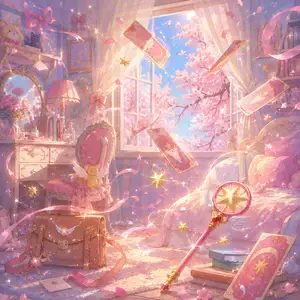
Magical card stories work because a small object seems to contain a whole personality. A card is not only a spell label. It can feel like a creature, a mood, a rule, a test, or a tiny myth waiting for someone brave enough to turn it over. This generator leans into that anime shaped tradition without copying a specific card list. The names point toward element, form, sealed phrase, and capture trial, so a result can suggest both what the card does and how it behaves when it is loose in the world.
How to use the names
Start with the first image
Read the name as if it were printed beneath a painted card. The Amber Gale might be a restless wind spirit with gold clouds around its frame. The Glass Labyrinth might be a puzzle card that folds classrooms, streets, and bedrooms into one impossible chase. A good pick should give you a visual shape before you know the full rules. Keep the names that create that first clean image.
Decide what must be captured
Many magical card names imply a trial. Some spirits want speed, kindness, courage, timing, or honest attention. Others resist through disguise, sleep, sound, reflection, or a changing doorway. When a name catches you, ask what problem it creates when unsealed. Then decide what kind of person could calm it without simply overpowering it. That turns the name into a scene, not just a collectible.
Build a balanced deck
A satisfying deck needs contrasts. Pair bright cards with shadow cards, gentle familiars with formal oath cards, and practical tool spirits with grand sky spirits. A whole set should not feel like one power repeated with different colors. Use several rolls to create a spread of weather, emotion, animal, seal, door, dream, and star names, then cut anything that sounds too close to another card already in the set.
Genre context and tone
Magical card names often sit between elegance and play. They can be sincere, cute, eerie, ceremonial, or funny, but they usually benefit from a clear central noun. A card called The Quiet Updraft feels different from Torchwing Lynx because the first sounds like a hidden force and the second like a summoned familiar. That difference matters when you design a transformation sequence, a capture costume, or a rule for how the card obeys its keeper.
Practical tips for stronger card ideas
- Choose names that imply a power, a personality, and a visual silhouette at the same time.
- Keep the best results short enough to fit on a card face or chapter note.
- Give each card a weakness or calming condition, especially if its name sounds powerful.
- Mix soft names with sharper names so the deck has rhythm instead of one constant mood.
- Avoid making every spirit an attack. Some cards can guide, heal, hide, reveal, or test.
- Rename any result that is close to an existing character, card, or trademark in your project.
Questions to develop a card spirit
After choosing a name, use it as a prompt for the card art, the capture scene, and the rule text. These questions help turn a title into something playable or narratively useful.
- What does the spirit look like when it is not trapped inside the card?
- What ordinary place becomes strange because this card has escaped?
- What emotion does the card amplify in the person trying to capture it?
- What gesture, phrase, or object helps seal the spirit again?
- How does the card behave once it trusts its new keeper?
- Which other card in the deck would clash with this one?
How does the Magical Card Generator work?
Click the generator to receive a magical card spirit name. Results are written around elements, forms, sealed moods, and capture challenges, so each click offers a compact idea for a card, spirit, or scene.
Can I steer the Magical Card Generator toward a specific name angle?
Yes. Re-roll until a result leans toward the angle you need, such as weather, dreams, animals, vows, doors, or trials. You can also combine two names to shape a stronger custom card concept.
Are the names original and safe to use?
The names are written for this generator and are intended for personal and most commercial creative use. For published work, still check that your final edited name does not conflict with existing properties.
How many names can I generate?
You can keep generating names as often as you like. The pool is made for repeated rolling, so save the strongest results and use new rolls when a deck needs more contrast.
How do I save the names I like?
Use the copy action for any name you want to paste elsewhere. You can also use the heart or save control to keep favorites while you compare possible card spirits.
What are good Magical Card?
There's thousands of random Magical Card in this generator. Here are some samples to start:
- The Amber Gale
- Cloudbell Sprinter
- Feather Tempest
- The Moonlit Tide
- The Buried Cup
- The Brilliant Seed
- The Honeyed Stem
- The Trusted Seal
- The Riddle Gate
- The Mercy Test
About the creator
All idea generators and writing tools on The Story Shack are carefully crafted by storyteller and developer Martin Hooijmans. During the day I work on tech solutions. In my free hours I love diving into stories, be it reading, writing, gaming, roleplaying, you name it, I probably enjoy it. The Story Shack is my way of giving back to the global storytelling community. It's a huge creative outlet where I love bringing my ideas to life. Thanks for coming by, and if you enjoyed this tool, make sure you check out a few more!

 Saved ideas
  Attack on Titan
 Avatar: The Last Airbender
 Beastars
 Berserk
 Bleach
 Blue Eye Samurai
 Cardcaptor Sakura
 Cells at Work
 Chainsaw Man
 Demon Slayer
 Digimon
 Dragon Ball
 Fullmetal Alchemist
 Honkai: Star Rail
 Hunter x Hunter
 Isekai
 JoJo's Bizarre Adventure
 Jujutsu Kaisen
 KonoSuba
 Made in Abyss
 Magical Girl
 Mob Psycho 100
 My Hero Academia
 Naruto
 One Piece
 One Punch Man
 Palworld
 Pokemon
 Solo Leveling