
Copied!
Story apps Take your next step in the Story Shack suite.
 Saved ideas
 See previous results (<% accordionPreviousResults.length %>)
Copied!
Explore Story Shack
More generators, writing tools and storytelling resources.
Explore more from Writing Craft
- Sentences
- Nouns
- Questions
- Words
- Business headlines
- Plot ideas
- Book titles
- Character profiles
- Letters
- Yearbook quotes
- Resignation letters
- Adjectives
- Villain names
- Blog post titles
- Instagram caption ideas
- Instagram bio ideas
- Phrases
- News headline ideas
- LinkedIn post prompts
- Story titles
- Themes
- YouTube video titles
- Quotes
- Character personalities
- Reception toasts
- Idioms
- Verbs
- Op-Ed Title
- Antagonist prompts
- Shorts Hook Brief
- Conspiracy theories
- Apology scripts
- Coming out stories
- Three-act outlines
- Out-of-Office replies
- Tragic backstories
- Non-binary characters
- Tabloid headline ideas
- Genders
- Reel Hook
- Epitaph ideas
- Ethnicities
- Documentary titles
- Catchphrase ideas
- Character motivations
- Etsy listing titles
- Pinterest Pin Title
- Paragraphs
- Movie genres
- Family tree stories
- Villain motivations
- Cover letter openers
- Genres
- Funeral Eulogy Generator
- Hero's journey prompts
Discover even more random name generators
Explore all Writing
Skip list of categories










Why Urban Legends Stick
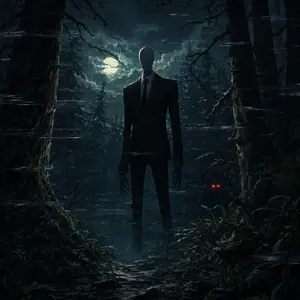
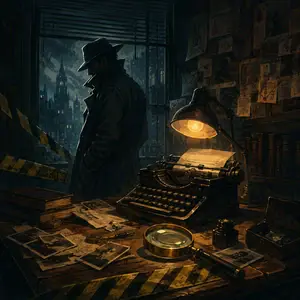
Urban legends are modern folk tales dressed in streetlights, zoning maps, screenshots, and convenience-store gossip. They usually travel through a friend-of-a-friend chain because that structure feels close enough to trust and distant enough to dodge verification. The vanishing hitchhiker, Bloody Mary, poisoned Halloween candy, sewer alligators, phantom clowns, black-eyed children, and haunted transit tunnels all survive because they speak to local fears in a portable form. An urban legend can warn teenagers away from dangerous places, punish arrogance, express distrust of institutions, or give a neighborhood a shared ghost story. The best versions always feel tied to one recognizable setting: a hospital wing, a freeway exit, a dorm basement, a karaoke bar, a stairwell camera, a drainage canal after heavy rain.
How to Build a Strong Rumor
Start with a pressure point
Choose the anxiety your legend will hold. Public transit rumors often deal with strangers and wrong stops. School rumors are about dares, belonging, and the cruelty of peer pressure. Hospital rumors turn grief, guilt, and exhausted staff into supernatural signs. Digital legends work best when the horror sits inside something convenient, ordinary, and always near the hand, like a rideshare app, a baby monitor, or a neighborhood camera feed.
Anchor it in hearsay
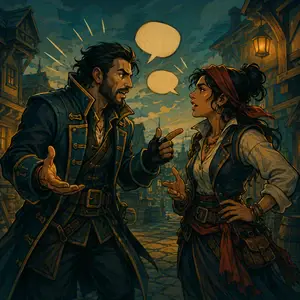
Urban legends rarely arrive as direct testimony. They come from a cousin's roommate, a nurse on nights, a retired dispatcher, a bartender who quit, or somebody whose phone somehow got wiped afterward. That hearsay chain makes the tale feel lived in. It also lets you imply social class, location, and local culture without stopping for exposition. The messenger is half the mood.
End on a ritual warning
A memorable legend leaves the audience with behavior to avoid: never answer the second knock, never flash your lights first, never board the empty carriage, never say your address near the smart speaker. The warning turns the story into usable folklore. Readers can imagine themselves tested by it, which is why the rumor keeps circulating.
What Urban Legends Reveal About Place
A city's legends say as much about power and identity as they do about ghosts. Gentrifying neighborhoods produce stories about condemned buildings that refuse to stay empty. College towns grow rituals about initiation, humiliation, and institutional memory. Port cities collect tales about flood tunnels, missing shifts, and names written on wet concrete. Suburbs invent legends about manicured safety failing at the edges. When writers build urban legends with specific jobs, streets, accents, and habits, the rumor starts carrying social texture. It stops being generic creepiness and becomes a piece of local folklore with class tension, moral panic, and a recognizable map beneath it.
Tips for Writers
- Let the setting do real work. A station tunnel, pediatric ward, cul-de-sac, or refinery yard should shape the fear, not just decorate it.
- Use one concrete object people can picture immediately, like a fare stub, a baby monitor, a cracked mirror, a hard hat, or a porch light.
- Keep the source chain believable. A rumor told by a crossing guard feels different from one told by a club DJ or ICU pharmacist.
- Make the warning actionable. If nobody could accidentally break the rule, the legend loses its campfire sting.
- Leave one small gap unexplained. Urban legends stay alive because no version answers every practical question.
Inspiration Prompts
When one of these rumors catches your attention, widen it with questions that deepen motive, place, and consequence.
- Who benefits from keeping this legend alive: a grieving family, a landlord, a union worker, a school tradition, or a frightened town council?
- What physical trace does the legend leave behind that skeptics cannot easily dismiss, such as a receipt, timestamp, scorch mark, or voice memo?
- How does the rumor change when told by a teenager, a night-shift worker, a police scanner hobbyist, or an elderly neighbor?
- What ordinary rule of city life becomes terrifying once the legend is known, such as taking elevators alone or using navigation reroutes?
- If the warning is finally ignored, who pays the price first and why was that person vulnerable to this particular story?
Frequently Asked Questions
Explore the most common questions about the Urban Legend Generator and how to turn its rumors into usable story fuel.
How does the Urban Legend Generator work?
It creates short rumor briefs built from a location, a hearsay source, a central hook, and a warning. Each result is designed to feel like modern folklore you could expand into a scene, plotline, or oral tale.
Can I steer the kind of urban legend I get?
The generator randomizes across different urban-legend domains, but you can keep clicking until a transit rumor, school dare, hospital omen, digital haunting, or roadside warning matches the tone you want.
Are the results all horror stories?
Most outputs lean eerie because urban legends rely on dread, caution, and unresolved consequences, but you can adapt them toward mystery, thriller, dark comedy, paranormal romance, or investigative fiction.
How many rumors can I generate?
You can generate as many prompts as you need. That makes the tool useful for brainstorming podcast premises, GM rumors, anthology seeds, cold opens, and contemporary folklore exercises.
How do I save the legends I like?
Click to copy any result instantly, then keep favorites in your notes, outline, or campaign file. Saving several versions is useful because urban legends often improve when you compare alternate tellings.
What are good Urban legends?
There's thousands of random Urban legends in this generator. Here are some samples to start:
- Akron: your cousin's roommate says the ghost tram stops for a bride with wet gloves. Never board if every seat is empty.
- In Albany, the river tunnel speaker shows dead commuters in the dark windows. Never sleep through the final chime.
- Amarillo keeps telling the same story. The sealed exit gate returns missing wallets with funeral dirt inside. Never count the stations aloud.
- a drummer from Third Street heard it first in Asheville. The transfer bridge announces drownings before dawn. Never accept directions from the woman in gray.
- Athens night staff repeat this. Platform nine rings only when someone lies about their destination. Never exit where the pigeons are silent.
- Ask around Baton Rouge and the story lands here. The conductor in gray lists tomorrow's accidents over the speaker. Never exit where the pigeons are silent.
- Boise locals call it a bad sign when the funicular bell asks lone riders where they were buried. Never wave at your reflection in the glass.
- Bristol rumor boards keep circling one line. The maintenance train stops for a bride with wet gloves. Never pocket the transfer stub.
- Nobody in Buffalo likes to mention how the last red-line carriage shows dead commuters in the dark windows. Never ride past the river stop twice.
- Chattanooga turns strange after midnight. The empty sleeper bus returns missing wallets with funeral dirt inside. Never look back through the last door.
About the creator
All idea generators and writing tools on The Story Shack are carefully crafted by storyteller and developer Martin Hooijmans. During the day I work on tech solutions. In my free hours I love diving into stories, be it reading, writing, gaming, roleplaying, you name it, I probably enjoy it. The Story Shack is my way of giving back to the global storytelling community. It's a huge creative outlet where I love bringing my ideas to life. Thanks for coming by, and if you enjoyed this tool, make sure you check out a few more!
Embed on your website
To embed this idea generator on your website, copy and paste the following code where you want the widget to appear:
<div id="story-shack-widget"></div>
<script src="https://widget.thestoryshack.com/embed.js"></script>
<script>
  new StoryShackWidget('#story-shack-widget', {
    generatorId: 'urban-legend-generator',
    generatorName: 'Urban Legend Generator',
    generatorUrl: 'https://thestoryshack.com/tools/urban-legend-generator/',
    language: 'en'
  });
</script>