
 Saved ideas
 Explore Story Shack
More generators, writing tools and storytelling resources.
Explore more from Travel
- Camino Variant Route
- Digital Nomad City Generator
- Bangkok Khlong Boat Stop Names
- Caravan Route Markers
- Appalachian Trail Section Name Generator
- Route 66 Itinerary
- Pacific Coast Highway Roadtrip
- RV adventure itineraries
- Backpacking Generator
- Backpacking route ideas
- Camino Stage Names
- Safari itinerary ideas
- Bikepacking Route Briefs
- City Break Itinerary
- Greek Island Itinerary Generator
- Cape Town fynbos trail ideas
- Itinerary Ideas
- Cycling Tour Route Briefs
Discover even more random name generators
Explore all Place
Skip list of categories

The Art of Planning a National Park Roadtrip
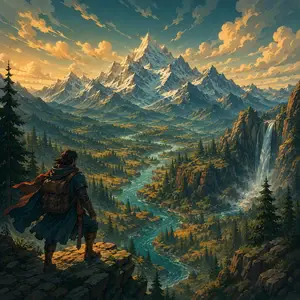
There is a particular kind of freedom that comes from loading up a car and driving toward the next mountain range or canyon rim. National park roadtrips have been woven into American outdoor culture for generations, from the early automobile pilgrimages to Yellowstone to the modern movement to visit every major park before turning thirty. Each park has its own rhythm, its own way of asking you to slow down and pay attention. The best itineraries treat each park as a full experience rather than a checkpoint on a bucket list.
These generator prompts draw from real park logistics, seasonal considerations, and the kinds of details that separate a rushed drive-through from a genuinely immersive visit. They cover ranger talk schedules and backcountry permit windows, trail combinations that pair easy walks with challenging climbs, photo stops timed to sunrise and sunset, and the logistical realities of campground reservations and shuttle systems that can make or break a trip.
Building Your Itinerary Around What Each Park Offers
Every national park has a primary offering that shapes how you should approach it. Yellowstone rewards those who study its geothermal features and plan around Old Faithful eruptions. Glacier demands you plan around the Going-to-the-Sun Road opening dates and the shuttle system that controls access to Logan Pass. The Grand Canyon requires you to decide early whether you are hiking below the rim or staying on the South Rim, because that choice changes everything about your timing and physical preparation.
The generator prompts help you think through these distinctions. Some itineraries start at a park's north entrance to catch wildlife activity at dawn before the crowds arrive. Others time your visit around the specific weekend when a park hosts its annual ranger festival or when a trail like the Angels Landing chains opens for the season. You might plan a route that hits the Southern Utah parks in a specific sequence to catch wildflower season in the high desert, or build a West Coast itinerary that combines Olympic, Mount Rainier, and Crater Lake in a single sweep of volcanic landscapes and old-growth forests.
Choosing the Right Trail Combinations
Trail selection within a park matters enormously. Pair a crowded signature trail with a lesser-known alternative, and you get both the iconic experience and a sense of discovery. A good itinerary might start with an easy boardwalk in the morning when the light is best for photography, move to a strenuous climb in the cooler midday hours, and finish with a gentle walk to a sunset viewpoint. The generator helps you construct these sequences so that each day has texture and variety rather than monotony or exhaustion.
Trail combinations also let you manage energy levels across multiple days. One day might feature a challenging backpack into a backcountry zone, while the next focuses on a flat interpretive trail near the visitor center. This balance prevents the fatigue that comes from doing the same type of effort repeatedly and keeps the trip feeling fresh across two weeks or more on the road.
Timing Around Ranger Programs and Seasonal Events
Most visitors do not realize how much ranger programming shapes the national park experience. Yellowstone offers multiple talks and walks daily at locations throughout the geyser basins and Lamar Valley. Grand Canyon has geology walks, sunset campfire programs, and junior ranger activities that fill up quickly in summer. Great Smoky Mountains runs historic preservation walks and wildlife surveys that give you access to parts of the park you would not find on your own.
Seasonal planning matters just as much. The window when Trail Ridge Road opens at Rocky Mountain changes every year based on snowfall, and the same applies to the Going-to-the-Sun Road at Glacier and the Tioga Road at Yosemite. If your roadtrip hits these parks in the wrong week, you lose access to the iconic drives and high-elevation trails that define the experience. The generator prompts include timing considerations for these seasonal variables, helping you build a route that respects the reality of mountain weather and road maintenance schedules.
Logistics That Make the Difference
A great national park roadtrip is half inspiration and half logistics. Campground reservations have become essential at parks like Yellowstone, Zion, and Acadia, where sites fill months in advance for summer weekends. The shuttle systems at Zion and Grand Canyon require advance planning because they control how you access the most popular trailheads. Understanding when to enter a park, where to park, and how to avoid the worst crowds can transform your experience from frustrating to magical.
The generator prompts incorporate these logistics as part of the itinerary rather than as afterthought notes. They address backcountry permit lotteries at parks like Half Dome in Yosemite and the Enchantments in Washington, campground reservation windows at parks like Grand Canyon and Grand Teton, and shuttle timing at parks like Rocky Mountain and Olympic. You learn not just what to see but when and how to get there without spending your vacation in a traffic jam or a waiting line.
Family-Friendly Planning and Multigenerational Routes
National parks have become increasingly family-oriented destinations, and planning accordingly matters. The best parks for young children feature flat boardwalk trails, visitor center theaters, and wildlife viewing opportunities where kids can safely observe bison, elk, and other animals from a distance. Parks like Great Smoky Mountains and Acadia offer structured junior ranger programs that give kids a sense of accomplishment and deeper engagement with the natural world.
For families with teenagers, the calculus shifts toward more challenging trails and backcountry permits, though even older kids benefit from ranger-led programs that provide context and supervision. The generator prompts address these age-based distinctions, helping you build an itinerary that works for a six-year-old on the boardwalk and a fourteen-year-old tackling Angels Landing or the Cades Cove valley loop.
The Photography and Light Considerations
National park photographers speak extensively about the quality of light at different times of day and in different seasons. The first light at Cadillac Mountain in Acadia matters because it is the earliest sunrise in the continental United States. The sunset light through the Court of the Patriarchs in Zion has a warmth and color that afternoon lacks. The reflection of the Tetons in String Lake at dawn creates an image that appears on countless postcards and calendars.
These lighting considerations thread through the generator prompts. Some itineraries specifically time your arrival at a location for the golden hour, while others plan around the blue light of early morning when reflections work best and thermal features produce dramatic steam columns. The prompts help you understand which parks reward early starts and which ones are better visited in the soft light of late afternoon, depending on the orientation of the terrain and the season of your visit.
Contingency Planning for Weather and Closures
Wildfire season has changed how roadtrippers must approach western parks. Smoke can make hiking unhealthy or impossible, and fires can close entire regions of parks during peak season. The generator prompts include contingency thinking for these situations, suggesting backup indoor activities at visitor centers, alternate routes that avoid closed areas, and timing strategies that minimize exposure to the worst smoke conditions.
Winter planning for parks like Death Valley and summer planning for parks like Grand Canyon require their own specialized strategies. The generator helps you think through heat management in desert parks, including which trails to hike in the morning versus the evening, where to find air-conditioned refuge during the hottest hours, and how to plan around the seasonal closures that affect many parks during shoulder seasons. No roadtrip goes perfectly, but good contingency planning keeps a bad day from becoming a ruined trip.
Making the Most of Passport Stamps and Junior Ranger Programs
There is a tradition among national park enthusiasts of collecting passport stamps and earning Junior Ranger badges. These activities might seem like tourist memorabilia, but they serve a real purpose in helping you engage more deeply with each location. The act of seeking out the stamp location forces you to explore visitor centers and discover parts of the park you might have missed. The Junior Ranger program gives children a structured way to learn about park ecology and history, turning a family visit into an educational experience.
The generator prompts include these elements as part of the itinerary rather than as optional add-ons. They suggest specific stamps to collect, which visitor centers to visit in each park, and which Junior Ranger programs to attend with children. This structure helps you plan a roadtrip that feels complete and purposeful rather than a collection of drive-by photo stops.
How do I plan a national park roadtrip itinerary that works for different fitness levels?
Build each day with one easy trail and one moderate to strenuous option, giving people the choice to push harder or take it slow. In Grand Canyon, pair the flat Rim Trail with the more demanding Bright Angel descent. In Zion, combine the fully accessible Riverside Walk with the steep Angels Landing climb. This structure lets different family members customize their experience while still reconvening for meals and sunset viewpoints.
When should I make campground reservations for popular national parks?
For Yellowstone, Glacier, Grand Canyon, and Zion, book specific campgrounds six to twelve months in advance for summer weekend stays. Reserve peak-season lodging at Grand Teton and Yosemite's Tuolumne Meadows similarly early. Some campgrounds like those in Great Smoky Mountains book a full year in advance for October fall foliage weekends. Weekday stays are easier to secure with shorter lead times.
How do I handle wildfire smoke and closures during a summer roadtrip?
Monitor the Air Quality Index daily during fire season and have backup plans for smoky days. Many parks have excellent air-conditioned visitor centers with theaters and exhibits that make indoor days worthwhile. Build flexibility into your route so that if one park is heavily impacted you can pivot to a region with clearer air. Check InciWeb for real-time fire information and have a list of alternate trail options that avoid smoke-prone areas.
What are the essential ranger programs to attend at major parks?
Yellowstone offers the best ranger programming with daily talks at Old Faithful, Lamar Valley wildlife walks, and evening programs at Canyon. Grand Canyon runs geology walks and sunset campfire sessions. Great Smoky Mountains has historic structures walks and wildlife tracking hikes. Most parks publish their program schedules at the visitor center or online, and you should plan at least one ranger-led experience per park to gain context you cannot get from signs alone.
How do I plan a national park roadtrip that includes photo stops at sunrise and sunset?
Choose your accommodation based on proximity to your sunrise location and plan your evening around reaching a sunset viewpoint at least thirty minutes before the light fades. For Acadia, stay near Bar Harbor and drive to Cadillac Mountain before dawn. For Grand Canyon, position yourself at Desert View Watchtower or Yaki Point for sunset. In Yosemite, Glacier Point offers the most iconic sunset views of the valley and High Sierra.
What are good National Park Roadtrip?
There's thousands of random National Park Roadtrip in this generator. Here are some samples to start:
- Start at Yellowstone's North Entrance, catch the Lamar Valley wolf pack at dawn, then ease into the Grand Prismatic overlook before afternoon at Old Faithful.
- Enter Glacier from the west, complete the Going-to-the-Sun Road at sunrise, stop at Logan Pass for a bead chain meadow walk, and finish with a starlit St. Mary lake.
- Begin at Zion's South Entrance, walk the Riverside Walk early, take the shuttle to Temple of Sinewava at noon, and close with an Emerald Pools evening stroll.
- Start with a permits check at Yosemite's Tioga Entrance, reach Tuolumne Meadows by midmorning, hike to Elizabeth Lake, and watch the sunset from Olmsted Point.
- Enter the Grand Canyon from the South Entrance, catch the first hiker shuttle to Bright Angel, complete a Plateau Trail segment, and dine at El Tovar before dark.
- Begin at Olympic's Hoh Rainforest entrance, tackle the Hall of Mosses at dawn, drive to Hurricane Ridge for afternoon views, and end with a Ruby Beach sunset.
- Start at Rocky Mountain's Beaver Meadows entrance, hike to Dream Lake before noon, drive Trail Ridge Road with alpine stops, and watch the Elk herd at Holzwarth Meadow.
- Enter Acadia from the Hulls Cove visitor center, complete the Park Loop Road at sunrise, hike Cadillac Mountain, and finish with a Jordan Pond House afternoon tea.
- Begin at Great Smoky Mountains' Sugarlands Visitor Center, drive Newfound Gap Road at dawn, stop at Clingmans Dome for sunrise, and hike the Alum Cave Trail by afternoon.
- Start at Grand Teton's Moose Entrance, complete the String Lake to Harp Lake route by midday, drive the Teton Park Road for wildlife viewing at dusk, and end at Jackson Lake Lodge.
About the creator
All idea generators and writing tools on The Story Shack are carefully crafted by storyteller and developer Martin Hooijmans. During the day I work on tech solutions. In my free hours I love diving into stories, be it reading, writing, gaming, roleplaying, you name it, I probably enjoy it. The Story Shack is my way of giving back to the global storytelling community. It's a huge creative outlet where I love bringing my ideas to life. Thanks for coming by, and if you enjoyed this tool, make sure you check out a few more!
Embed on your website
To embed this idea generator on your website, copy and paste the following code where you want the widget to appear:
<div id="story-shack-widget"></div>
<script src="https://widget.thestoryshack.com/embed.js"></script>
<script>
  new StoryShackWidget('#story-shack-widget', {
    generatorId: 'national-park-roadtrip-generator',
    generatorName: 'National Park Roadtrip Generator',
    generatorUrl: 'https://thestoryshack.com/tools/national-park-roadtrip-generator/',
    language: 'en'
  });
</script>