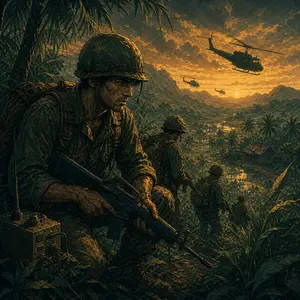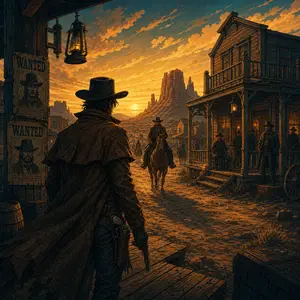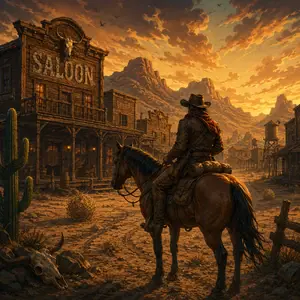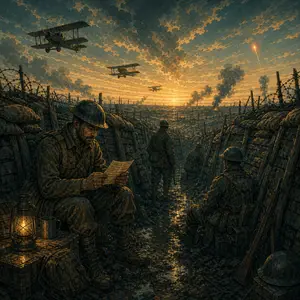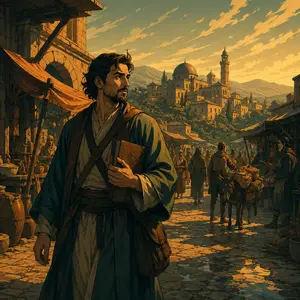
Discover all Historical Name Generators
Skip list of name generatorsThe Apps Behind Your Next Story
Build worlds. Tell stories.
For novelists, GMs, screenwriters & beyond
Build rich worlds, draft your stories and connect everything with advanced linking and easy references.
Practice your writing muscle
Creative writing practice can be exciting
Jump into 30+ writing exercises—playful, reflective, and style-focused. Build the habit that transforms okay writers into great ones.

Forge your own generators
Custom idea tables for any project
Build random generators from your own lists, combine results, publish pages, and keep your best idea engines close.

Build choice adventures
Branching stories on a visual canvas
Map scenes, connect choices, track resources, and publish interactive fiction people can actually play.
3000+ Idea Generators
Names, places, plots and more
Beat writer's block in seconds. Over 3000 free name and idea generators for characters, worlds, items and writing prompts.
All your ideas in one place
Roll from any Story Shack generator, pin favorites, and build your shortlist.
Search every Story Shack generator in one focused workspace, roll quick batches, pin favorites, and stack your best ideas.
Names rooted in real eras, regions, trades and traditions across the recorded past
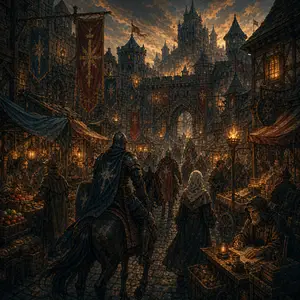
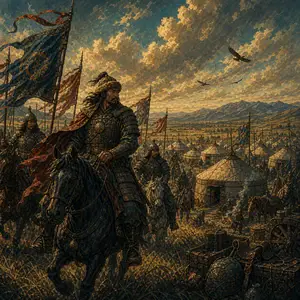
Historical fiction, classroom projects and tabletop campaigns all benefit from names that sit naturally inside a chosen century. If you are searching for historical name generator, medieval name generator, Roman name generator, Viking name generator, Victorian name generator, ancient name generator, period-accurate character names and old-fashioned name ideas, this category collects tools that draw on real historical patterns rather than invented fantasy syllables. Each generator focuses on a specific people or era, so you can pick by region, century or social role and quickly get options that sound like they belong on a parish register, a ship manifest, a tax roll or a stone inscription.
What makes a name feel historical?
Real names carry the fingerprints of language, faith, geography and class. Roman citizens used a structured tria nomina built from praenomen, nomen and cognomen; medieval Europeans relied on patronymics, place-of-origin tags and occupational surnames; Norse families used a given name plus the father's name plus a personal byname; Edo Japanese names shifted with status and adoption. A name can hint at religion through saints and prophets, at trade through surnames like Smith, Cooper, Müller, Boulanger or Kowalski, and at region through diminutives, vowel patterns and phonetic preferences. The generators in this category respect those patterns, so the results feel like records pulled from an archive rather than invented for the page.
What you can create here
Use these tools for peasants, soldiers, merchants, scholars, sailors, monks, midwives, blacksmiths, tavern keepers, traders, scribes, courtiers, slaves, freedmen, settlers, explorers and rulers across the ancient, medieval, early modern and industrial worlds. They also help with settlements, manor houses, parishes, ships, regiments, guilds, dynasties, monasteries, taverns, newspapers, plantations, factories and trading companies. If your story moves between Republican Rome, Heian-era Kyoto, Norman England, the Silk Road, Renaissance Florence, colonial New England or Victorian London, you can switch between matching generators without breaking the historical texture you established in earlier chapters or in your last gaming session.
Writing and historical-fiction uses
For novelists, the right name signals research before a single line of dialogue. A reader who meets a Tudor steward called Thomas Wolveridge or a Roman freedwoman called Hispala Faecenia immediately accepts the world. For game masters running historical or low-fantasy campaigns, generated names fill the gap between prepared characters and the strangers players choose to interrogate, hire, marry or betray. Teachers can use them for in-character writing tasks, debate exercises or simulated diaries set during a studied period. Family-history writers can borrow authentic naming patterns to flesh out the lives behind a thin paper trail, giving long-dead ancestors believable neighbors, employers, godparents and rivals.
How to refine a generated historical name
Treat each result as a draft. Check the era first: a Norman knight should not carry a name first recorded in the eighteenth century, and a Roman tribune should avoid medieval saint names. Add a title or marker that fits the period, such as Sir, Master, Brother, Frau, Signore, Don, Doña or Lady, then attach a place of origin or patronymic if the culture used one. Adjust spelling to match the regional source: Catherine, Katharine, Katarina, Caterina or Ekaterina can each anchor a character in a different country. If a name feels too modern, look for an older variant or a near relative from the same root.
Natural keyword coverage for creative search
Searches like historical name generator, medieval name generator, Roman name generator, Viking name generator, Victorian name generator, ancient name generator, period-accurate character names and old-fashioned name ideas all point to the same need: fast, era-correct inspiration. This page is built for that moment, when a writer or game master has a setting in mind but no time to open three reference books. Use the generated names as raw material, compare them against sources you already trust, adjust spelling for your chosen region, and keep the option that immediately suggests a household, a craft, a faith or a story still waiting to be written down.
Frequently Asked Questions
Get answers to common questions about my historical names and how to use them effectively for your creative projects.
How many historical names do the generators create at once?
Each of my generators creates 10 unique names per generation by default. You can generate new batches as many times as you need. On average, I see users generate 16 ideas each time they use my generators, giving you plenty of options for your creative projects.
How do I save my favorite generated historical names for later?
Simply click the save icon next to any name you like. Your saved names are stored in your browser's local storage and will be available the next time you visit. You can access all your saved names through the saved ideas panel, making it easy to build a collection of perfect names for your projects.
Can I copy generated historical names to my clipboard?
Yes! You can easily copy any generated name by clicking on it or using the copy button. This makes it simple to paste names directly into your manuscripts, character sheets, or creative documents. All my generators are designed for seamless integration into your creative workflow.
Can I trust these generators for professional writing projects?
Yes, my generators are designed to create authentic-sounding names suitable for professional writing. I put care into crafting names that feel natural and memorable for different genres and cultures. While I can't claim specific published works use my generators, many writers and creators find them helpful for their creative projects.
Can I use generated historical names for commercial projects like books or games?
Yes, you can use any names generated by my tools for commercial projects including novels, short stories, video games, tabletop RPGs, and other media. However, since these are randomly generated, I always recommend doing your due diligence to ensure the names aren't already trademarked or heavily associated with existing works in your industry.
Do I need to credit The Story Shack when using generated historical names?
No credit is required when using generated names in your projects. While I always appreciate a mention or link back to The Story Shack, it's not mandatory. The names become yours to use freely once generated, whether for personal or commercial purposes.
How often are new historical names added to the generators?
I regularly update my name databases with new entries and expanded collections. I continuously add new names based on user feedback, research, and emerging trends. Each generator contains thousands of unique combinations, ensuring fresh results every time you generate.
Are there premium features or additional generator options available?
All my name generators are completely free with no limits and no account required. For longer projects I also build dedicated apps that pair perfectly with the generators: Writer for distraction-free novel writing with full worldbuilding for characters, locations and lore, Pathways for branching story flowcharts, and Spark for daily creative writing exercises. Those apps need a free account; the random name generators stay open to everyone.